
Find out the top foods for hormone balancing in perimenopausal women with this in depth list and ideas for incorporating them into your daily diet.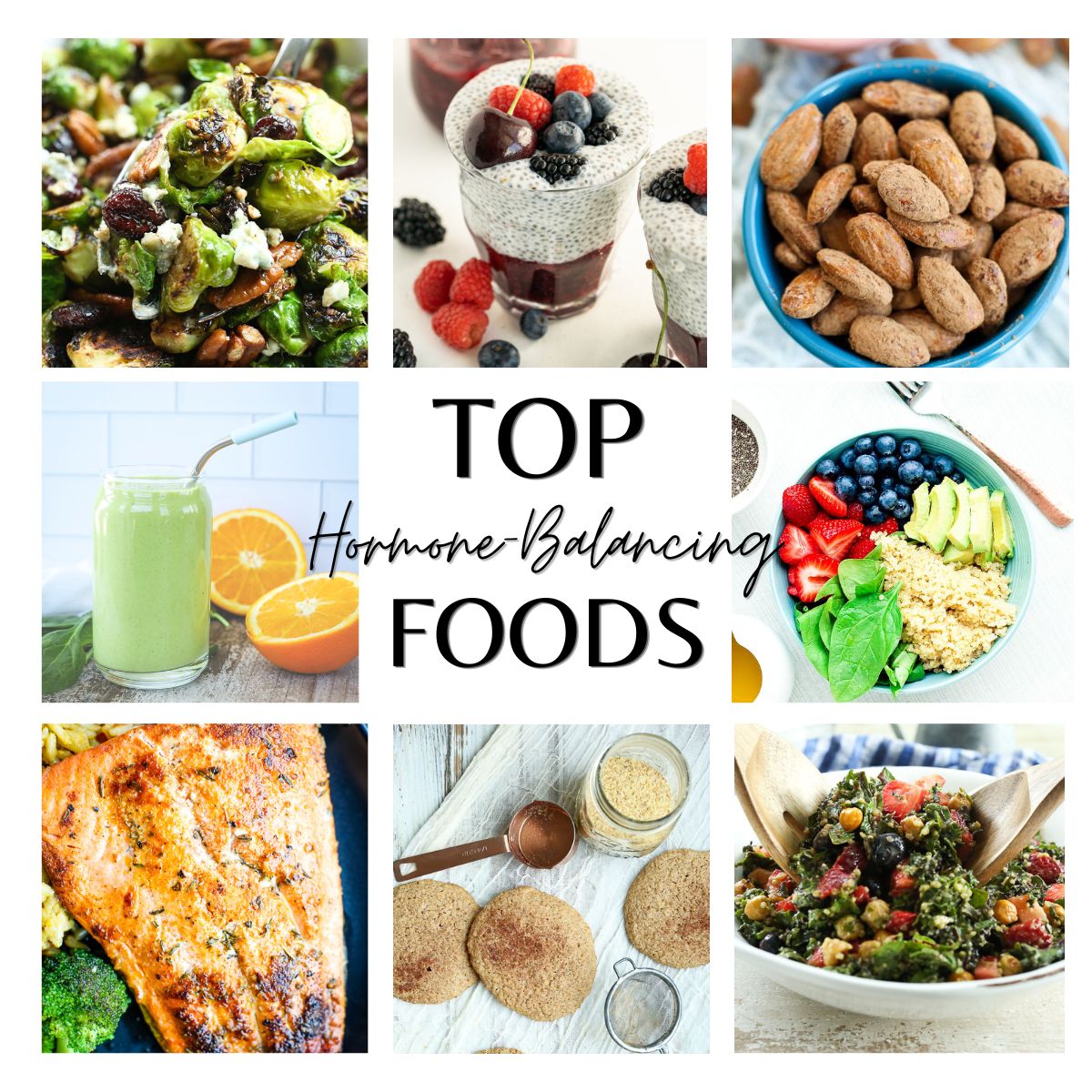
It can feel like your body is failing you during perimenopause. It’s undergoing massive changes and the result is a hormone imbalance that can cause chaos. Your estrogen dips, progesterone drops, cortisol spikes, and insulin sensitivity shifts. Every single one of those hormonal changes creates symptoms like hot flashes, weight gain around your middle, brain fog, and mood swings that make you feel like a crazy person half the time.
What you eat directly influences how smoothly or how chaotically this transition unfolds. The good news is that there are foods for hormone balancing. You might hear a lot that what you’re experiencing is “normal” and you just have to live with it. Manage the symptoms. The smarter approach feeds the underlying hormonal system so your body can regulate itself. Not every food impacts hormones equally, and not every hormone needs the same nutritional support.
You CAN be intentional during this time of massive change in your body and help settle the storm. This is your guide to the top foods that target the specific hormonal imbalances driving perimenopausal symptoms.
Top Foods for Hormone Balancing
Foods that Support Estrogen
Estrogen doesn’t just disappear during perimenopause. It fluctuates wildly before it declines, creating unpredictable symptoms that range from heavy periods to complete cycle chaos. The right foods provide phytoestrogens that gently modulate estrogen activity without overstimulating receptors or blocking your body’s natural production.
Flaxseeds
Flaxseeds contain the highest concentration of lignans in any whole food, and lignans are plant compounds that convert into phytoestrogens in your gut. These phytoestrogens bind to estrogen receptors and create a balancing effect. When estrogen is too high, lignans block the more potent forms. When estrogen dips too low, they provide mild estrogenic activity that smooths the decline. Research shows that women who consume 40 grams of flaxseed daily experience fewer hot flashes and less severe night sweats within six weeks.
Important: Flaxseeds must be ground to release lignans. Whole flaxseeds pass through your digestive system intact. Buy whole seeds, grind them fresh in a coffee grinder, and store the ground powder in your freezer to prevent oxidation. You can also buy flaxseed meal that’s already been ground for you.
Flaxseeds also deliver alpha-linolenic acid, an omega-3 fat that reduces inflammation. Perimenopausal hormone fluctuations trigger systemic inflammation, which worsens joint pain, brain fog, and mood instability. The omega-3s in flax calm that inflammatory response at the cellular level.
Recipes Using Flaxseeds

Sweet Potato Black Bean Burgers
More Ways to Use Flaxseed:
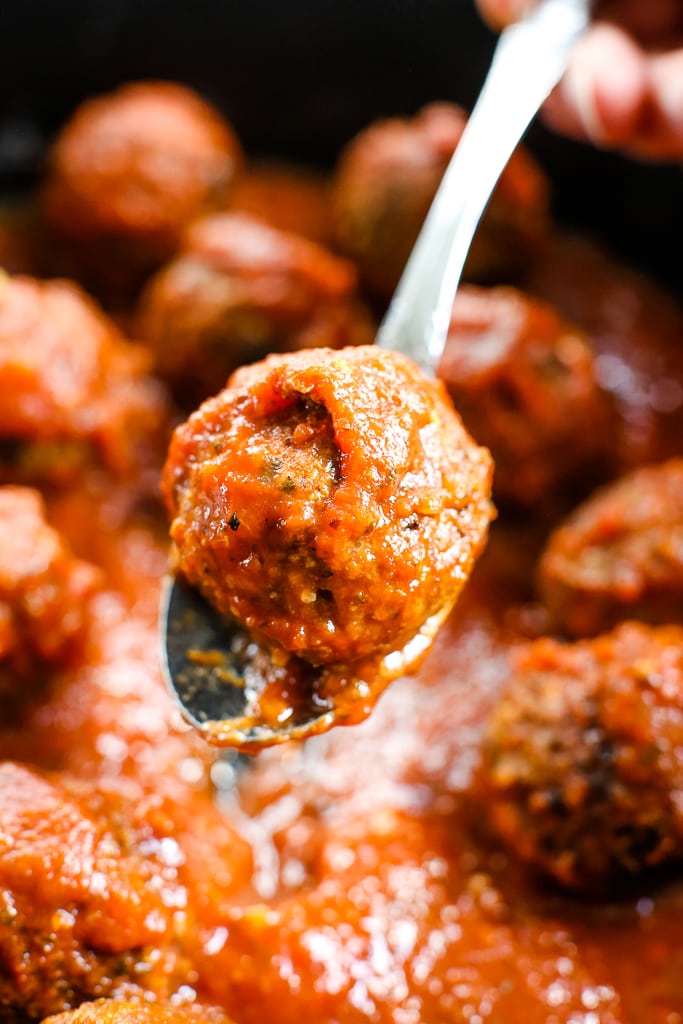
Add two tablespoons of ground flaxseed to smoothies, oatmeal, or yogurt every morning. Mix it into meatballs, meatloaf, or baked goods as a binding agent. Sprinkle it over salads or stir it into soups right before serving.
The lignans work cumulatively. You won’t feel a difference after one serving, but consistent daily intake creates measurable symptom relief within four to eight weeks.
Organic Soy
Soy triggers more confusion than almost any other food in the hormone conversation, mostly because the research gets misrepresented. You just need to pay attention to what actually matters for perimenopausal women. Whole soy foods like edamame, tempeh, and organic tofu contain isoflavones, a type of phytoestrogen that mimics estrogen’s structure but delivers only 1/1000th of the potency. That weak estrogenic effect is exactly what makes soy beneficial during perimenopause.
Isoflavones preferentially bind to estrogen receptor beta, which regulates bone density, cardiovascular health, and brain function. Synthetic estrogen and your body’s natural estrogen bind more strongly to estrogen receptor alpha, which drives breast and uterine tissue growth. This receptor selectivity explains why soy intake correlates with reduced breast cancer risk in population studies, not increased risk.
The distinction between whole soy and soy isolates is critical! Soy protein isolate, found in protein powders and processed foods, strips away the fiber, minerals, and other compounds that make whole soy protective. Whole soy foods deliver the complete nutritional package, and the fiber content specifically supports estrogen metabolism by binding excess estrogen in the gut and removing it through digestion.
Women who consume 50 to 100 milligrams of soy isoflavones daily, roughly equivalent to one to two servings of whole soy foods, report 20 to 50 percent fewer hot flashes after 12 weeks. The effect isn’t immediate, because isoflavones must accumulate in your tissues and your gut bacteria must convert them into their active form called equol. About 30 to 50 percent of people naturally produce equol, and those who do experience stronger symptom relief.
Best sources ranked by isoflavone content:
- Tempeh (3 ounces): 50 mg isoflavones
- Edamame (1 cup): 47 mg isoflavones
- Organic tofu (4 ounces): 40 mg isoflavones
- Soy milk (1 cup): 30 mg isoflavones
- Miso (2 tablespoons): 20 mg isoflavones
Choose organic soy whenever possible. Most conventional soy is genetically modified and heavily sprayed with glyphosate, an herbicide linked to gut dysbiosis. [Related article: Should You Worry About Glyphosate in Your Food?] A healthy gut microbiome is essential for converting isoflavones into equol, so the quality of your soy matters as much as the quantity.
Recipes with Soy
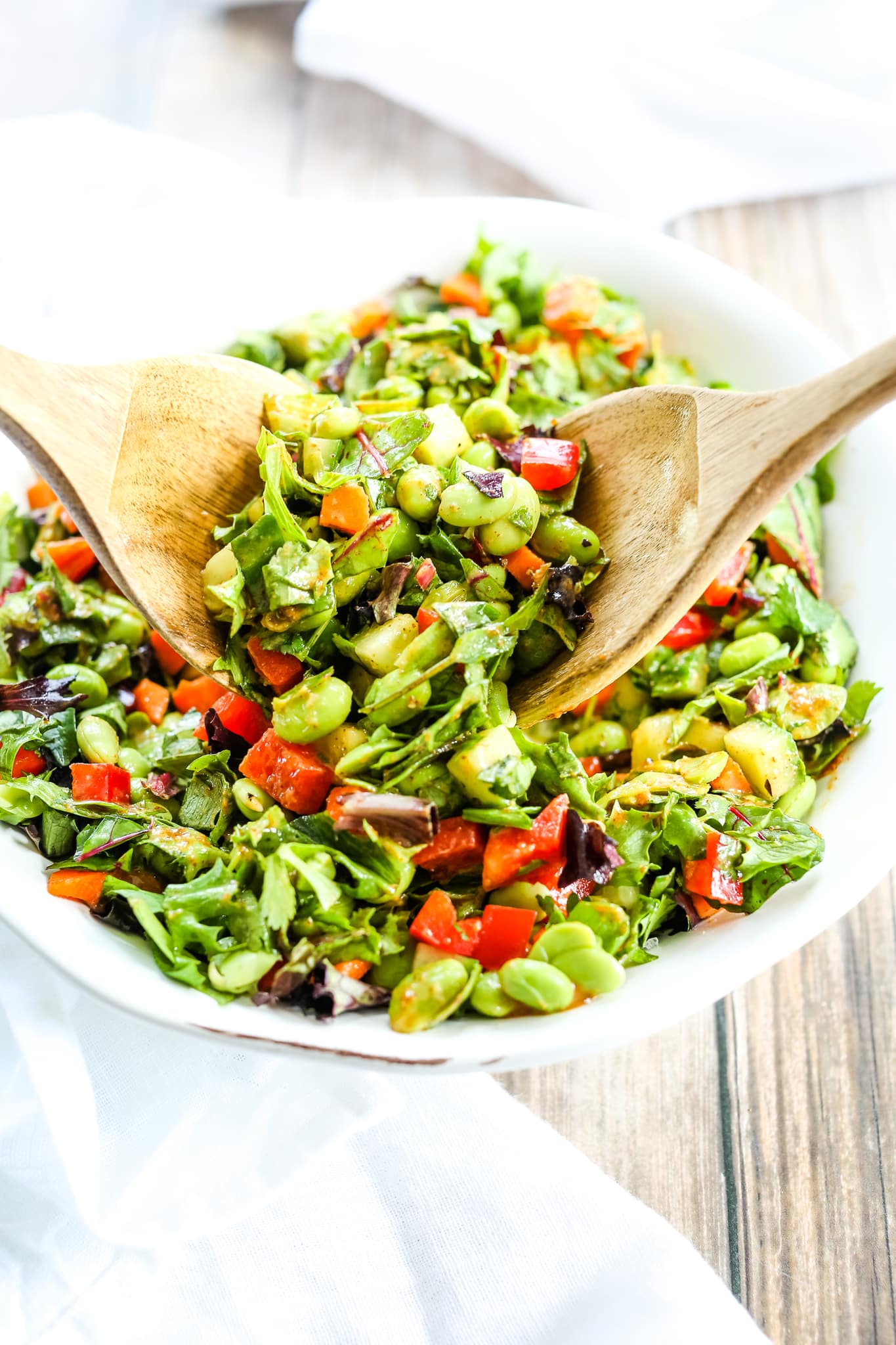
Vegetable and Tempeh Stew with Herb Dumplings
Sesame Noodles with Red Pepper and Edamame
Tempeh Stew with Herb Dumplings
Progesterone and Stress Hormone Regulation
Progesterone production drops sharply during perimenopause, often faster than estrogen declines. This creates estrogen dominance even when estrogen levels are technically low. Progesterone calms the nervous system, regulates sleep, supports thyroid function, and counterbalances estrogen’s growth-promoting effects. No food directly supplies progesterone, but specific nutrients provide the building blocks your body needs to synthesize it and manage the stress hormones that suppress its production, creating lower progesterone levels.
Pumpkin Seeds
Pumpkin seeds are one of the richest plant-based sources of zinc, a mineral that plays a central role in progesterone production and stress response regulation. Your ovaries require zinc to produce progesterone, and your adrenal glands need it to manage cortisol output. When zinc levels drop, progesterone synthesis slows and cortisol climbs, amplifying the hormonal imbalance already happening during perimenopause.
Zinc also supports liver detoxification of excess estrogen. Your liver uses zinc-dependent enzymes to break down and eliminate used hormones. When zinc is insufficient, estrogen metabolites recirculate, worsening estrogen dominance symptoms like breast tenderness, heavy periods, and mood swings.
One ounce of pumpkin seeds provides:
- 2.2 mg zinc (20% of daily needs)
- 168 mg magnesium (40% of daily needs)
- 5 grams of protein
- 1.7 grams of omega-3 fats
The magnesium content is just as important as the zinc. Magnesium calms the hypothalamic-pituitary-adrenal axis, the system that controls your stress response. Chronic stress keeps cortisol elevated, and high cortisol blocks progesterone receptors even when progesterone is present. Magnesium breaks that cycle by regulating cortisol release and improving progesterone sensitivity.
Pumpkin seeds also contain tryptophan, an amino acid precursor to serotonin and melatonin. Both neurotransmitters decline during perimenopause, contributing to mood disturbances and insomnia. Eating pumpkin seeds as an evening snack can improve sleep quality within two to three weeks.
Recipes Using Pumpkin Seeds

Immune Boosting Breakfast Bars
Chocolate Oatmeal Granola Bars
Anti-inflammatory Ginger Energy Balls
Chocolate Peanut Butter Omega 3 Snack Bites
Aim to eat a quarter cup of raw or lightly roasted pumpkin seeds daily. You can add them to trail mix, sprinkle them over soups and salads, blend them into pesto, or stir them into yogurt. Buy organic seeds when possible, since conventional seeds can carry pesticide residues that disrupt endocrine function.
Consistency matters more than quantity. Your body can only absorb and use so much zinc at once, so spreading intake across the day maximizes absorption and utilization.
Wild-Caught Fatty Fish
Salmon, sardines, mackerel, and anchovies deliver omega-3 fatty acids in the form of EPA and DHA, the two long-chain fats your brain and endocrine system require for optimal function. Omega-3s reduce inflammation, improve insulin sensitivity, support serotonin production, and enhance cell membrane fluidity, all of which directly impact how well your hormones communicate with your cells.
During perimenopause, inflammation increases as estrogen declines. Estrogen has anti-inflammatory properties, and when it drops, inflammatory markers like C-reactive protein and interleukin-6 rise. This chronic low-grade inflammation worsens joint pain, accelerates bone loss, increases cardiovascular risk, and amplifies brain fog. EPA and DHA suppress inflammatory signaling pathways and shift your body back toward an anti-inflammatory state.
The insulin connection is equally important. Insulin resistance climbs during perimenopause, driven by estrogen loss, cortisol elevation, and changes in body composition. When your cells become insulin resistant, your pancreas pumps out more insulin to compensate. High insulin drives fat storage, particularly around your abdomen, and interferes with ovulation and hormone balance. Omega-3s improve insulin receptor sensitivity, allowing your cells to respond to insulin more efficiently and reducing the need for excess production.
Women who consume at least two servings of fatty fish per week have 25 percent lower rates of severe perimenopausal symptoms compared to women who eat fish less than once per month. The effect appears strongest for mood-related symptoms like depression, anxiety, and irritability, likely because DHA makes up 20 percent of the brain’s fatty tissue and directly influences neurotransmitter function.
Best fish choices for omega-3 content and low mercury:
- Wild Alaskan salmon (4 ounces): 1.5 grams omega-3s
- Sardines (3.75-ounce can): 1.3 grams omega-3s
- Mackerel (4 ounces): 1.8 grams omega-3s
- Anchovies (3-ounce can): 1.4 grams omega-3s
Choose wild-caught fish over farmed whenever possible. Farmed fish contain lower omega-3 levels and higher omega-6 levels due to grain-based feed. The omega-6 to omega-3 ratio matters because omega-6 fats promote inflammation when consumed in excess. Wild fish eat algae and smaller fish, concentrating omega-3s naturally.
Recipes using Salmon
Of the fatty fish listed here, I currently only have salmon recipes on my site. I have a very hard time liking sardines, haven’t tried mackerel, and while I like anchovies, they are just not that common for me to eat. So we eat a lot of salmon in my house! Here are my favorite recipes using salmon.
Frequency beats portion size. Your body uses omega-3s constantly for cellular repair and signaling, so eating smaller amounts more frequently creates more stable benefits than eating large portions sporadically. Aim for three to four servings per week rather than one large serving. This is something I need to work on!
Blood Sugar Levels and Insulin Balance
Estrogen regulates insulin sensitivity, so when estrogen fluctuates during perimenopause, blood sugar control becomes erratic. You might notice you can’t skip meals like you used to, you crave sugar more intensely, or you gain weight even though your diet hasn’t changed. These are signs of declining insulin sensitivity, and they accelerate hormonal chaos because high insulin suppresses sex hormone binding globulin, the protein that keeps estrogen and testosterone in check.
Cinnamon
Cinnamon improves insulin sensitivity by activating insulin receptors on cell membranes and increasing glucose transporter activity. This allows your cells to absorb blood sugar more efficiently without requiring as much insulin. Multiple studies show that consuming one to six grams of cinnamon daily (roughly half to one teaspoon) reduces fasting blood sugar by 10 to 29 percent and improves hemoglobin A1C, a marker of long-term blood sugar control.
The specific compound responsible is called cinnamaldehyde, which gives cinnamon its characteristic flavor and aroma. Cinnamaldehyde also reduces inflammation and oxidative stress, both of which worsen insulin resistance and accelerate aging. Antioxidants in cinnamon protect pancreatic beta cells, the cells that produce insulin, from damage caused by chronically elevated blood sugar.
Not all cinnamon is equal, so pay attention to what kind you’re buying. Ceylon cinnamon, sometimes called true cinnamon, contains negligible amounts of coumarin, a compound that can damage the liver in high doses. Cassia cinnamon, the type sold in most grocery stores, contains much higher coumarin levels. If you’re using cinnamon daily, choose Ceylon to avoid cumulative liver stress.
Recipes using cinnamon
There are many ways you can incorporate cinnamon into your daily diet. Add half a teaspoon of Ceylon cinnamon to your morning coffee, smoothie, or oatmeal. Sprinkle it over roasted sweet potatoes, stir it into yogurt, or mix it into homemade energy balls. Use it in savory dishes like curries, stews, and roasted vegetables for a warming depth of flavor that also delivers metabolic benefits.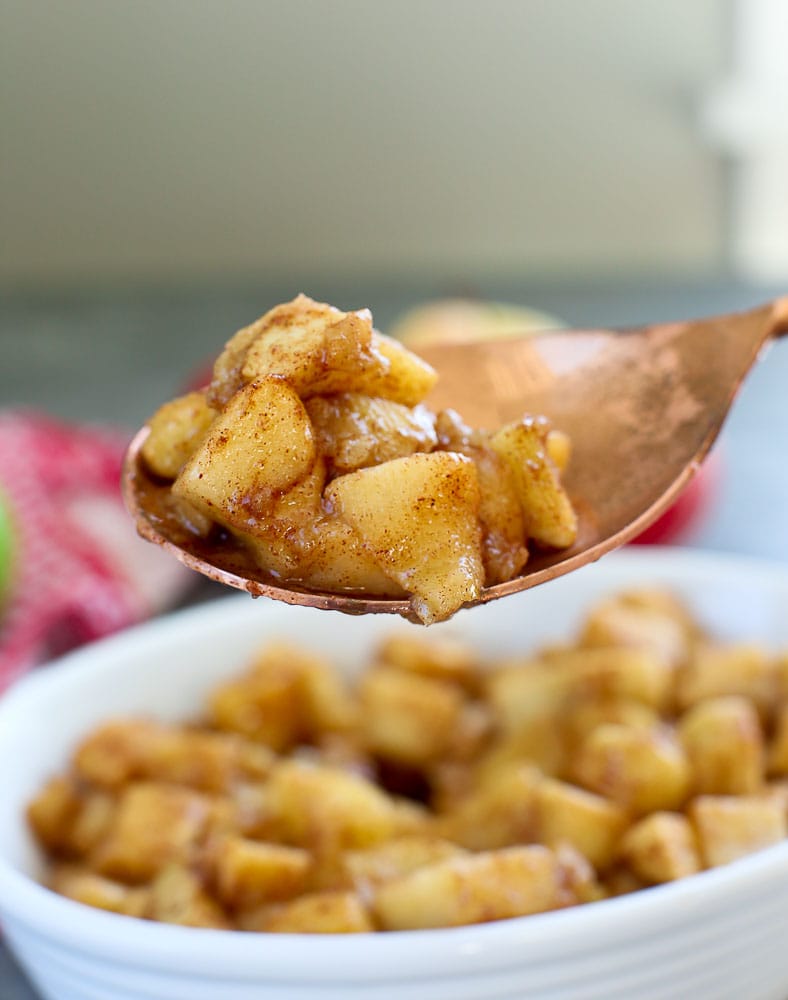
Sugar-Free Cinnamon Roasted Almonds
Apple Cinnamon Baked Oatmeal Cups
The effect is dose-dependent and builds over time. You won’t notice an immediate change after one meal, but consistent daily intake improves fasting blood sugar and insulin response within four to six weeks.
Leafy Greens
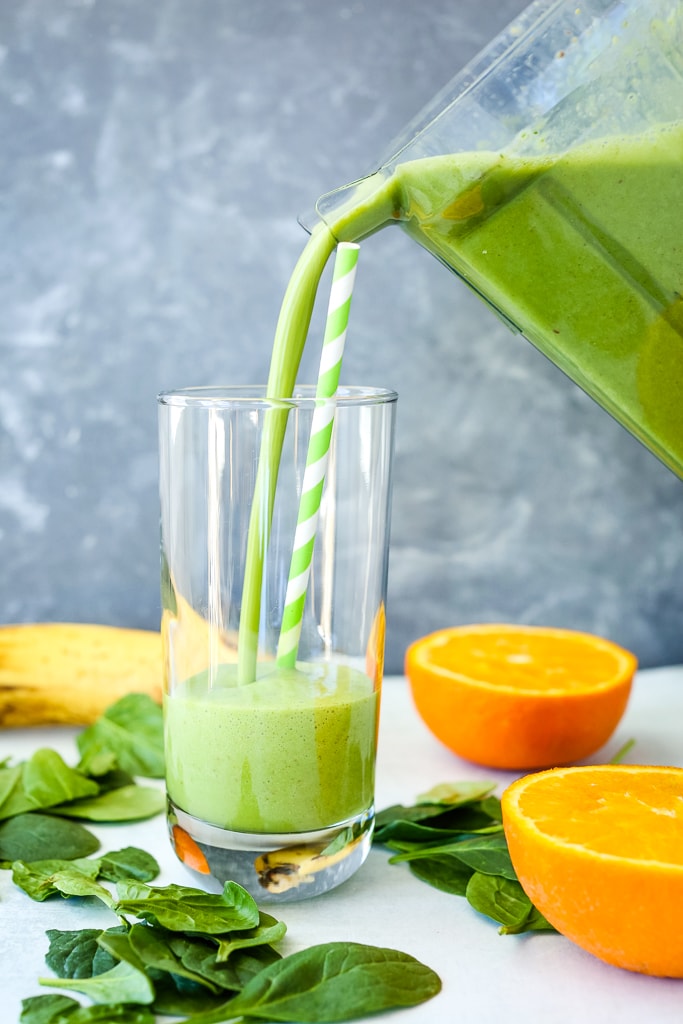
Spinach, kale, Swiss chard, collard greens, and arugula are among the most nutrient-dense foods available, and their impact on hormonal health goes far beyond their vitamin and mineral content. Leafy greens provide magnesium, which improves insulin sensitivity and regulates cortisol. They deliver folate, which supports estrogen metabolism and neurotransmitter synthesis. They contain fiber, which slows glucose absorption and binds excess estrogen for elimination. And they supply antioxidants like lutein and zeaxanthin, which protect cells from oxidative damage caused by fluctuating hormones.
The magnesium-insulin connection is especially critical during perimenopause. Insulin resistance depletes magnesium because high insulin increases urinary magnesium loss. Low magnesium worsens insulin resistance, creating a vicious cycle. Leafy greens break that cycle by replenishing magnesium stores and improving insulin receptor function. Women with the highest magnesium intake have 30 percent lower rates of insulin resistance compared to those with the lowest intake.
Leafy greens also contain compounds called indole-3-carbinol and sulforaphane, which support phase 2 liver detoxification. This is the process your liver uses to break down estrogen into less potent metabolites and prepare them for excretion. When phase 2 detoxification is sluggish, estrogen metabolites recirculate and contribute to estrogen dominance. Cruciferous greens like kale, collards, and arugula are particularly rich in these detox-supporting compounds.
Nutrient density comparison per 100 grams raw:
- Spinach: 79 mg magnesium, 194 mcg folate, 2.9 grams fiber
- Kale: 47 mg magnesium, 141 mcg folate, 3.6 grams fiber
- Swiss chard: 81 mg magnesium, 14 mcg folate, 1.6 grams fiber
- Collard greens: 27 mg magnesium, 166 mcg folate, 4 grams fiber
Cooking increases bioavailability of some nutrients while reducing others. Steaming or sautéing greens briefly improves magnesium absorption and makes them easier to eat in larger quantities. Raw greens deliver more vitamin C and folate, which degrade with heat. Rotate between raw and cooked preparations to maximize nutrient intake.
Volume and variety are important. Aim for at least two cups of leafy greens daily, either as a base for salads, blended into smoothies, sautéed as a side dish, or layered into soups and casseroles. The fiber content helps regulate blood sugar, supports gut bacteria that produce short-chain fatty acids, and binds bile acids that carry excess estrogen out of your body.
Recipes with Leafy Greens
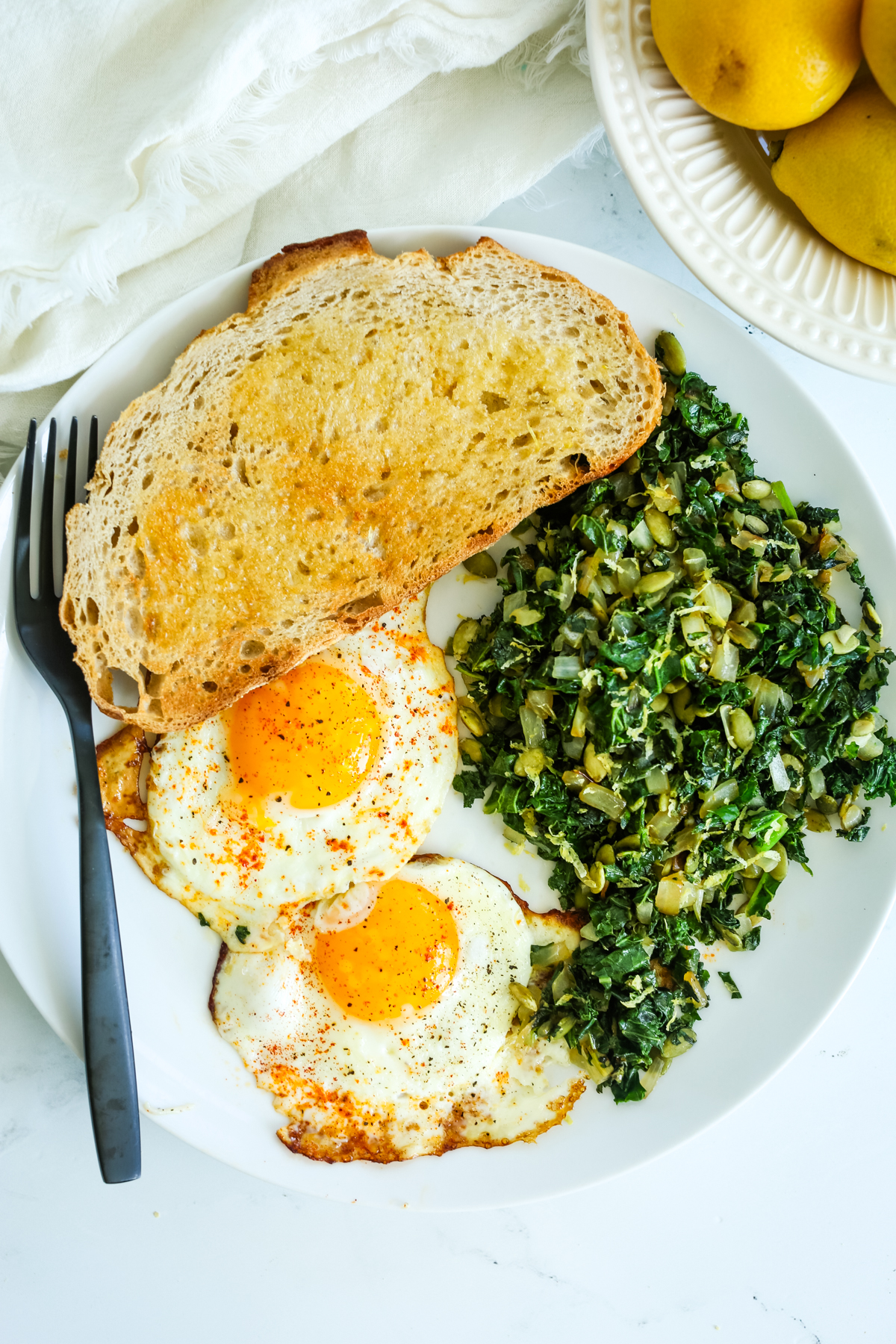
Warm Quinoa Salad with Apple and Kale
Easy Chicken White Bean Soup with Kale
Mediterranean Soup with White Beans and Spinach
30-Minute Skillet Spinach Lasagna
Spinach and Goat Cheese Stuffed Chicken Breasts
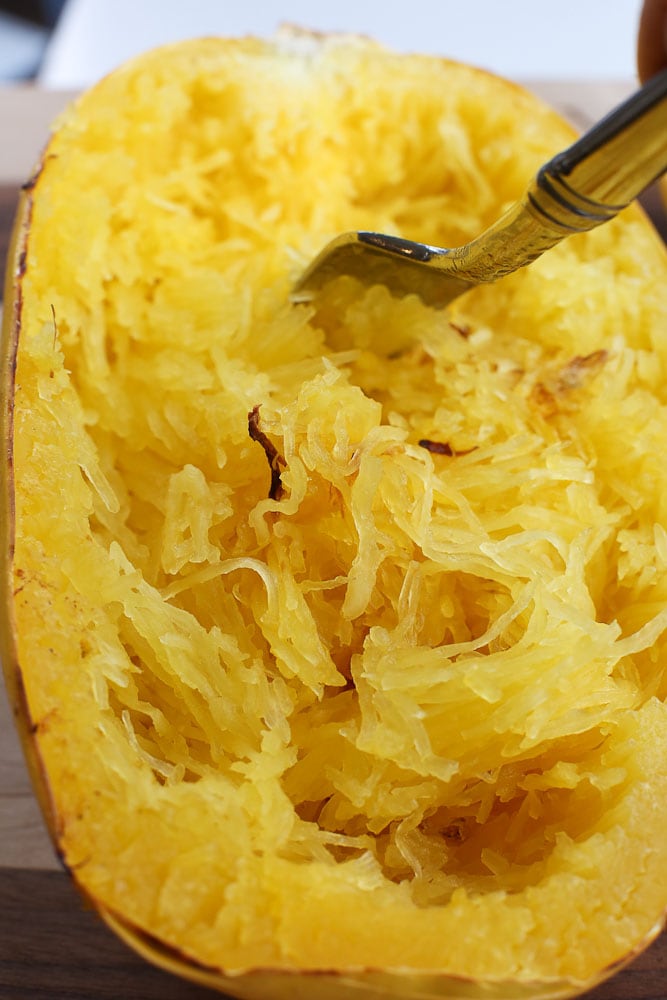
Spinach Artichoke Stuffed Spaghetti Squash
Spinach Artichoke Pasta with Chicken
Thyroid Support and Metabolism
Thyroid function declines in many women during perimenopause, often because dropping estrogen reduces thyroid hormone production and increases thyroid antibodies. Symptoms like fatigue, weight gain, cold sensitivity, dry skin, and hair loss overlap heavily with perimenopausal symptoms, making it easy to miss an underlying thyroid issue. Certain foods provide the nutrients your thyroid needs to produce hormones and convert the inactive form (T4) into the active form (T3).
Brazil Nuts
Brazil nuts are the richest dietary source of selenium, a trace mineral essential for thyroid hormone production and conversion. Your thyroid gland contains more selenium per gram of tissue than any other organ, and selenium-dependent enzymes called deiodinases convert T4 into T3. Without adequate selenium, T4 accumulates and T3 remains low, creating hypothyroid symptoms even when thyroid stimulating hormone levels appear normal.
Selenium also protects the thyroid from oxidative damage and reduces thyroid antibodies in women with autoimmune thyroid conditions like Hashimoto’s thyroiditis. Studies show that supplementing with 200 micrograms of selenium daily reduces thyroid peroxidase antibodies by up to 40 percent within three months.
A single Brazil nut contains approximately 70 to 90 micrograms of selenium. Eating just 1-2 Brazil nuts daily provides all the selenium most women need without risking toxicity, which can occur at doses above 400 micrograms per day. Selenium toxicity causes hair loss, brittle nails, digestive issues, and neurological symptoms, so more is definitely not better.
Selenium content varies based on the soil where the trees grow. Brazil nuts from selenium-rich regions in Brazil contain the highest concentrations, while nuts from selenium-poor soils contain far less. You won’t know the exact content of the nuts you buy, which is why limiting intake to 1-2 per day is the safest approach.
How to use it: Eat 1-2 Brazil nuts as a mid-morning or afternoon snack. Chop them and add to granola, trail mix, or homemade energy bars. Blend them into smoothies for a creamy texture and subtle flavor. Store them in the refrigerator or freezer to prevent the oils from going rancid.
The effect on thyroid function and antibody levels builds gradually. Expect to see changes in energy, body temperature regulation, and lab markers after 8 to 12 weeks of consistent intake.
Seaweed
Seaweed provides iodine, the mineral your thyroid uses to synthesize thyroid hormones. Each molecule of T4 contains four iodine atoms, and each molecule of T3 contains three. Without sufficient iodine, your thyroid can’t produce enough hormone to maintain metabolism, energy production, and cellular function. Iodine deficiency is the leading cause of hypothyroidism worldwide, though it’s less common in developed countries where iodized salt is widely used.
During perimenopause, iodine needs may increase because estrogen influences iodine uptake and utilization. Dropping estrogen can reduce iodine absorption in the thyroid gland, creating a relative deficiency even when dietary intake is adequate. Seaweed delivers iodine in a highly bioavailable form along with other trace minerals like magnesium, calcium, and iron.
Different types of seaweed contain vastly different iodine levels:
- Kombu (1 gram): 1,500 to 2,500 mcg iodine
- Wakame (1 gram): 40 to 200 mcg iodine
- Nori (1 sheet): 15 to 40 mcg iodine
- Dulse (1 gram): 30 to 50 mcg iodine
The recommended daily intake for iodine is 150 micrograms for adult women. Kombu contains so much iodine that a single gram exceeds safe intake limits, potentially triggering thyroid dysfunction in susceptible individuals. Nori and dulse provide moderate amounts that fit easily into a balanced diet without overshooting needs.
The key warning for women with existing thyroid conditions: If you have Hashimoto’s thyroiditis or hyperthyroidism, avoid high-iodine seaweeds like kombu. Excess iodine can worsen autoimmune thyroid flares and exacerbate hyperthyroid symptoms. Stick with lower-iodine varieties like nori or skip seaweed entirely and get iodine from other sources like eggs, dairy, or iodized salt.
How to use it: Use nori sheets to make sushi rolls or tear them into salads and grain bowls. Add dulse flakes to soups, stews, and roasted vegetables for a savory, umami boost. Crumble toasted nori over avocado toast or scrambled eggs. Snack on roasted seaweed packs as a low-calorie, nutrient-dense alternative to chips.
Iodine status improves within weeks of increasing intake, but thyroid hormone levels take longer to shift. Give it 8 to 12 weeks before expecting noticeable changes in energy, weight, or temperature regulation.
Gut Health and Hormone Metabolism
Your gut microbiome directly influences how your body metabolizes, recycles, and eliminates hormones. Beneficial bacteria produce an enzyme called beta-glucuronidase, which can either deactivate estrogen for elimination or reactivate it for recirculation. An imbalanced microbiome with too much beta-glucuronidase activity allows excess estrogen to recirculate, worsening estrogen dominance. The right foods feed beneficial bacteria and support efficient hormone metabolism.
Fermented Foods
Fermented foods like sauerkraut, kimchi, kefir, yogurt, miso, and tempeh deliver live probiotic bacteria that colonize your gut and support hormonal balance. These beneficial bacteria improve estrogen metabolism by producing short-chain fatty acids, which regulate inflammation and support the gut lining. A healthy gut lining prevents endotoxins from leaking into your bloodstream, reducing systemic inflammation that worsens perimenopausal symptoms. These are important foods for hormone balancing in perimenopausal women.
Probiotics also influence the production of neurotransmitters like serotonin and GABA, both of which decline during perimenopause and contribute to mood swings, anxiety, and sleep disturbances. Approximately 90 percent of your body’s serotonin is produced in the gut, and the bacteria living there regulate its synthesis. Women who consume fermented foods daily report better mood stability and fewer depressive episodes compared to those who avoid them.
Different fermented foods provide different bacterial strains:
- Yogurt and kefir: Lactobacillus and Bifidobacterium species
- Sauerkraut and kimchi: Lactobacillus plantarum and brevis
- Miso and tempeh: Bacillus subtilis and other soil-based organisms
- Kombucha: Acetobacter and various yeast strains
Diversity matters more than quantity. Eating small amounts of several different fermented foods throughout the week creates a more diverse microbiome than eating large amounts of a single type. A diverse microbiome is more resilient to stress, antibiotics, and dietary changes, all of which disrupt gut health during perimenopause.
How to Add Fermented Foods to Your Diet
Eat a quarter to half cup of fermented vegetables with lunch or dinner. Drink four to eight ounces of kefir as a snack or smoothie base. Add a tablespoon of miso to soups, salad dressings, or marinades. Choose fermented foods from the refrigerated section, since shelf-stable versions are pasteurized and contain no live bacteria.
Gut microbiome shifts happen quickly. You’ll notice changes in digestion, bowel regularity, and bloating within one to two weeks. Hormonal and mood-related improvements take longer, typically four to eight weeks, as the new bacterial populations establish themselves and begin influencing hormone metabolism.
Recipes with Yogurt

Simple Yogurt Peanut Butter Apple Dip
Healthy Greek Yogurt Ranch Dressing
Chocolate Greek Yogurt Fruit Dip
Cruciferous Vegetables
Cruciferous vegetables play a crucial role as foods for hormone balancing. Broccoli, cauliflower, Brussels sprouts, cabbage, and bok choy contain glucosinolates, sulfur-containing compounds that break down into indole-3-carbinol and diindolylmethane (DIM) during digestion. These metabolites support phase 2 liver detoxification and shift estrogen metabolism toward less potent, protective metabolites rather than more potent, potentially harmful ones.
Estrogen breaks down into three main metabolites in your liver. 2-hydroxyestrone is the weakest and most protective. 4-hydroxyestrone and 16-alpha-hydroxyestrone are stronger and linked to increased breast cancer risk when levels are chronically elevated. Cruciferous vegetables increase 2-hydroxyestrone production and reduce the more harmful metabolites, creating a safer estrogen profile.
The effect is dose-dependent. Women who eat at least five servings of cruciferous vegetables per week have significantly higher 2-hydroxyestrone levels compared to those who eat less than one serving per week. The benefit appears strongest when vegetables are eaten raw or lightly steamed, since overcooking destroys the enzyme myrosinase, which converts glucosinolates into their active forms.
Cruciferous vegetables also provide fiber, which binds estrogen metabolites in the gut and prevents their reabsorption. This is particularly important during perimenopause when estrogen dominance drives symptoms like heavy periods, breast tenderness, and mood swings. Increasing fiber intake from cruciferous vegetables can reduce circulating estrogen levels by up to 20 percent within eight weeks.
Top cruciferous vegetables by glucosinolate content:
- Brussels sprouts
- Broccoli sprouts (10 to 100 times more than mature broccoli)
- Mustard greens
- Cabbage
- Cauliflower
- Broccoli
Broccoli sprouts deserve special mention because they contain exceptionally high levels of sulforaphane, the most potent estrogen-metabolizing compound in cruciferous vegetables. A single ounce of broccoli sprouts delivers as much sulforaphane as one to two pounds of mature broccoli. You can grow them at home in a jar with sprouting seeds, or buy them fresh from health food stores.
Recipes Using Cruciferous Vegetables

Aim for at least one serving of cruciferous vegetables daily.
Sweet and Spicy Brussels Sprouts and Cauliflower
Sautéed Brussels Sprouts with Cranberries, Pecans, and Glue Cheese
Roasted Cauliflower with Tahini
Instant Pot Mashed Cauliflower
Cauliflower Soup with Coconut, Turmeric, and Lime
Roasted Broccoli with Parmesan
Instant Pot Broccoli and Cheddar Soup
Bone Health and Mineral Balance
Estrogen protects bone density by inhibiting osteoclasts, the cells that break down bone tissue. When estrogen drops during perimenopause, bone breakdown accelerates and bone formation can’t keep pace, leading to net bone loss. The first five to seven years after menopause are the riskiest period for osteoporosis development. Calcium gets all the attention, but bone health requires a complex interplay of calcium, magnesium, vitamin D, vitamin K2, and trace minerals.
Nuts and Seeds
Almonds
Of all the nuts, almonds provide the most amount of calcium, providing about 75 mg per ounce.They also contain magnesium, which is essential for converting vitamin D into its active form, regulating calcium absorption, supporting bone mineralization and maintaining bone structure.
Sesame Seeds
Sesame seeds are one of the richest plant-based sources of calcium, delivering 975 milligrams per 100 grams of unhulled seeds. They also provide magnesium, zinc, copper, and manganese, all of which support bone mineralization and collagen synthesis. The calcium-to-magnesium ratio in sesame seeds is nearly ideal for bone health, because magnesium activates vitamin D and regulates calcium deposition in bones rather than soft tissues.
Sesame seeds also contain sesamin and sesamolin, lignans that have weak estrogenic activity similar to flaxseed lignans. These compounds help preserve bone density during perimenopause by partially compensating for declining estrogen. Women who consume sesame seeds regularly have higher bone mineral density and lower fracture rates compared to those who avoid them.
The difference between hulled and unhulled sesame seeds is significant. Hulled seeds have had the outer shell removed, which strips away most of the calcium. Unhulled seeds retain the shell and deliver three to four times more calcium. Unhulled seeds have a slightly bitter taste compared to the milder hulled variety, but the nutritional trade-off is worth it.
Tahini, a paste made from ground sesame seeds, provides the same nutrients in a more versatile, easy-to-digest form. Two tablespoons of tahini contain approximately 130 milligrams of calcium and 30 milligrams of magnesium. Tahini made from unhulled seeds has a darker color and stronger flavor but delivers significantly more calcium than tahini made from hulled seeds.
Chia Seeds
Chia seeds provide 180 mg of calcium per ounce, and are also a good source of magnesium, making them ideal food to include in a hormone-balancing diet. They also have a high fiber content, which helps slow glucose absorption, preventing insulin spikes. This helps you maintain steady energy levels throughout the day
Recipes with Nuts and Seeds

Vegan Almond Chia Seed Pudding
Almond Flour Chocolate Chip Cookies
Lemon Raspberry Overnight Oats with Chia Seeds
Vanilla Chia Pudding with Berries
2-ingredient Vegan “Caramel” Dip
Calcium absorption from nuts and seeds improves when paired with vitamin D and vitamin K2, so combine them with foods like fatty fish, egg yolks, or fermented dairy. Bone density changes take months to measure, but adequate calcium and magnesium intake reduces the rate of bone loss within the first year of consistent use.
Perimenopause doesn’t have to feel like your body is working against you. These hormone-balancing foods address the root hormonal imbalances driving your symptoms, not just the symptoms themselves. Flaxseeds and soy modulate estrogen. Pumpkin seeds and fatty fish support progesterone and calm inflammation. Cinnamon and leafy greens stabilize blood sugar. Brazil nuts and seaweed fuel your thyroid. Fermented foods and cruciferous vegetables optimize gut health and estrogen metabolism. Nuts and seeds protect your bones. All of these foods for hormone balancing can work together to make a difference.
Your plate is one of the most powerful tools you have to smooth this transition and come out stronger on the other side, but keep in mind that other lifestyle changes can help, too. Regular exercise and stress management also support hormone balance. Being intentional with your lifestyle habits can help make this time more manageable. If you have more ideas that have helped you, please share them in the comments!
If you’d like see examples of what I eat each day, follow me on Instagram as I frequently share my meals in stories!