

I’ve been on a journey to build a nontoxic kitchen for many years. Let me share where I’m at now, and what I am still working on. This will help you as you decide where to start and see the products that are tried and true in my kitchen. 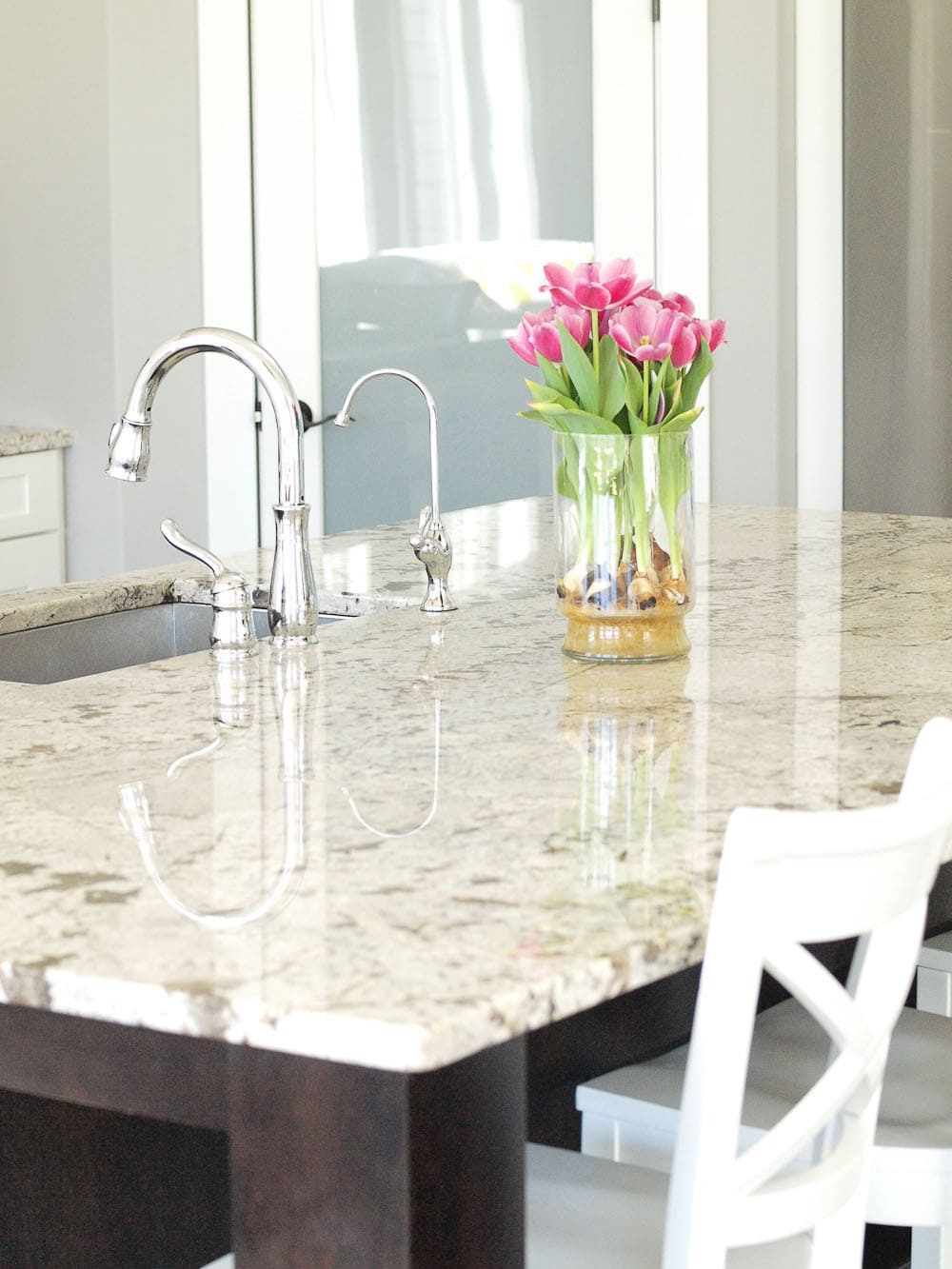
When it comes to healthy cooking, what you cook your food on is just as important as what you’re cooking. You can eat the cleanest diet in the world, but if your cookware, tools, and storage are leaching chemicals into your food, you’re working against yourself.
I started paying attention to this years ago, even before I ran my Healthy Year Challenge and started talking about it more. Since then, I’ve kept building on it, swapping one piece at a time as old things wore out or as I learned more. I’m expanding a post I wrote years ago today: not just cookware, but the materials, tools, storage, and appliances I currently use to keep my kitchen as nontoxic as possible.
One important note before we dive in: don’t let this post overwhelm you into inaction! I’ve been working on my kitchen for years, and I still have a few pieces I haven’t replaced yet. Building a nontoxic kitchen is a gradual process, not an overhaul, and there’s no reason to feel behind if you’re just getting started or still have a plastic spatula in your drawer. I’m not here to be the toxin police, I’m here to help you as you strive for the healthiest home possible.
Ready? Let’s go!
Materials to Avoid in Your Kitchen
Before we get into what to buy, let’s start with what to watch out for. These are the materials I recommend limiting or avoiding across cookware, tools, and storage:
- Nonstick coatings (PTFE/Teflon): This synthetic polymer coating breaks down at high heat and emits toxic fumes. {Side note: if you’re still using nonstick pans, cook with them at lower temperatures to avoid overheating and breaking down the coating.} This applies to more than just pans — nonstick-coated spatulas, whisks, and tongs are just as worth swapping out.
- Uncoated aluminum: Aluminum is cheap, but it’s also linked to neurotoxicity, so I avoid cooking or storing food directly on or in it. I still use aluminum foil to cover dishes in the oven (like a pan of lasagna) but try to avoid cooking on it as much as I can. I do have aluminum baking sheets still (it’s a process, remember?), but I use parchment paper on them most of the time.
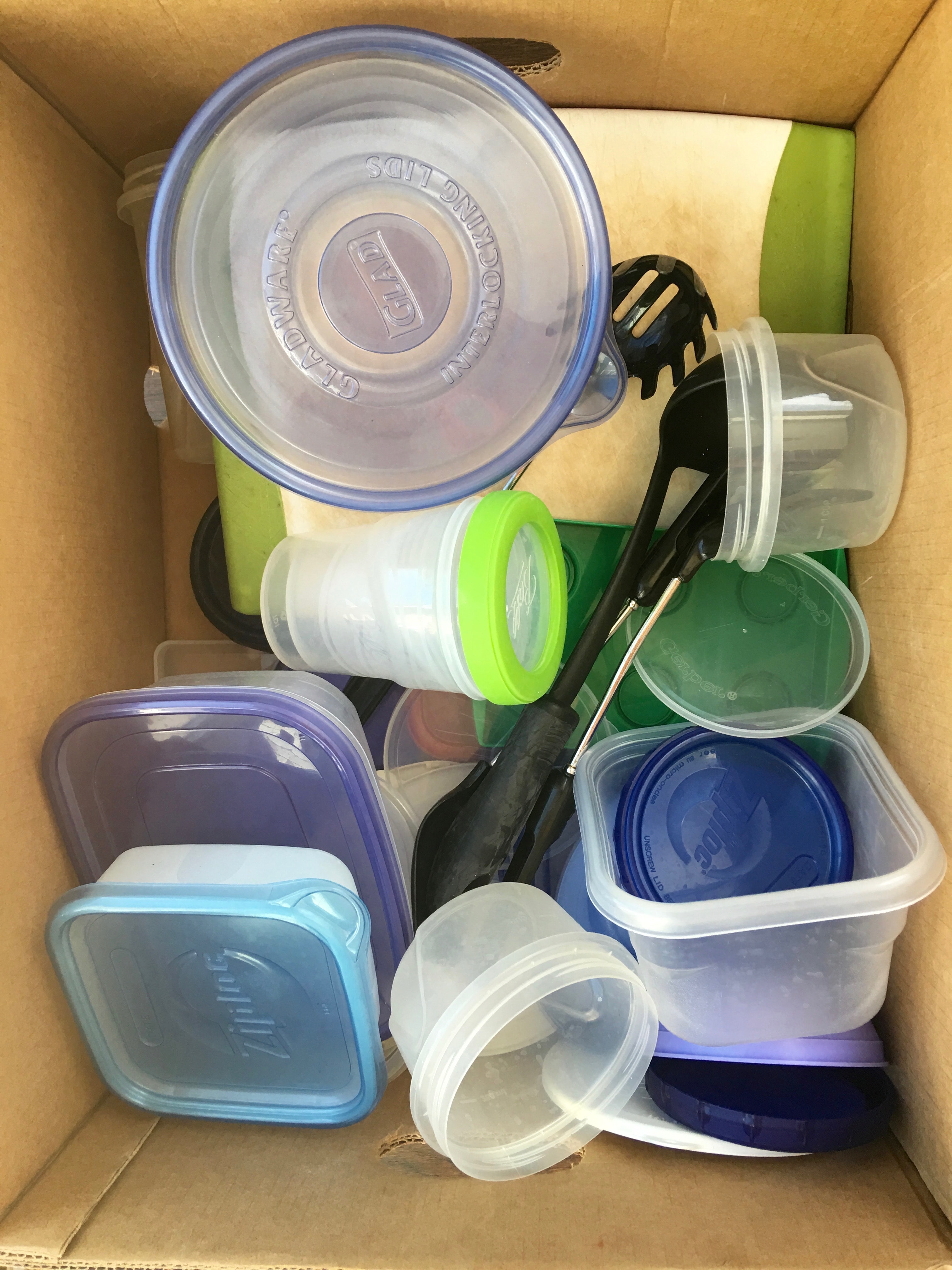
- Plastic: Plastic storage containers, utensils, and appliance parts that come into contact with hot or acidic food can leach BPA, phthalates, and microplastics over time. This matters most for anything that gets hot or holds leftovers long-term, but I also avoid plastic drinking cups, water bottles, etc. When I want to use plastic storage bags in the freezer, I cover the food in parchment paper or another alternative first so the food isn’t coming in direct contact with the plastic.
- Unverified ceramic glazes: Some ceramic and stoneware glazes — especially older, imported from questionable places, or handmade pieces — can contain lead or cadmium. I’m not a chemist, so I can’t verify every glaze. Just be careful when choosing ceramic bakeware and look for lead-free labels, or know the brand you’re choosing.
The Safest Materials for a Nontoxic Kitchen
On the flip side, here are the materials I trust most when I’m shopping for anything new:
- Stainless steel — durable, non-reactive, and safe for cooking, storage, and utensils
- Cast iron and enameled cast iron — naturally nonstick with seasoning, and goes from stovetop to oven
- Glass — completely inert, so nothing leaches into food, even with heat or acidity
- Lead-free ceramic — look for pieces specifically labeled lead-free and food-safe
- Titanium — naturally nonstick without a synthetic coating (more on this below)
- Untreated wood — naturally antimicrobial and gentle on cookware surfaces
- Food-grade silicone — a reasonable option for baking mats and flexible tools in moderation
The Cookware I Use the Most
These are the pieces that get the most use in my kitchen. I originally shared three of these; I’ve since added a fourth.
Lodge Cast Iron 12″ Skillet
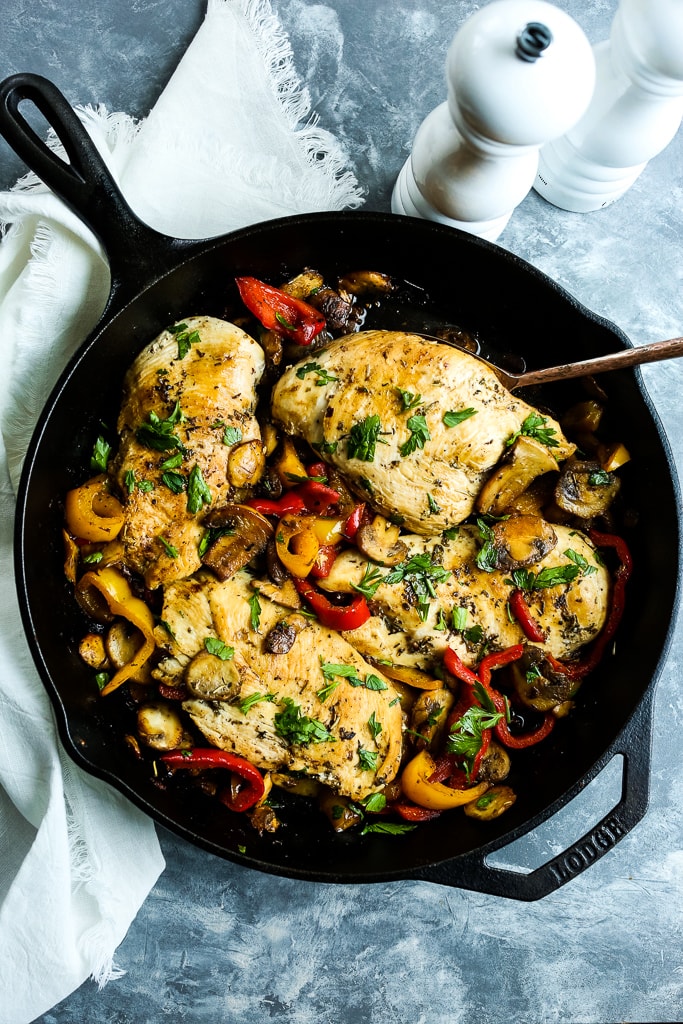
This pan replaces synthetic nonstick pans. Cast iron is the original natural nonstick option — the more you cook with it, the more seasoned and nonstick it becomes. It goes easily from stovetop to oven and heats very evenly. I’ve used this Lodge Cast Iron Skillet for years and it will last forever.
All-Clad Stainless Steel Stockpot and/or Saucepan
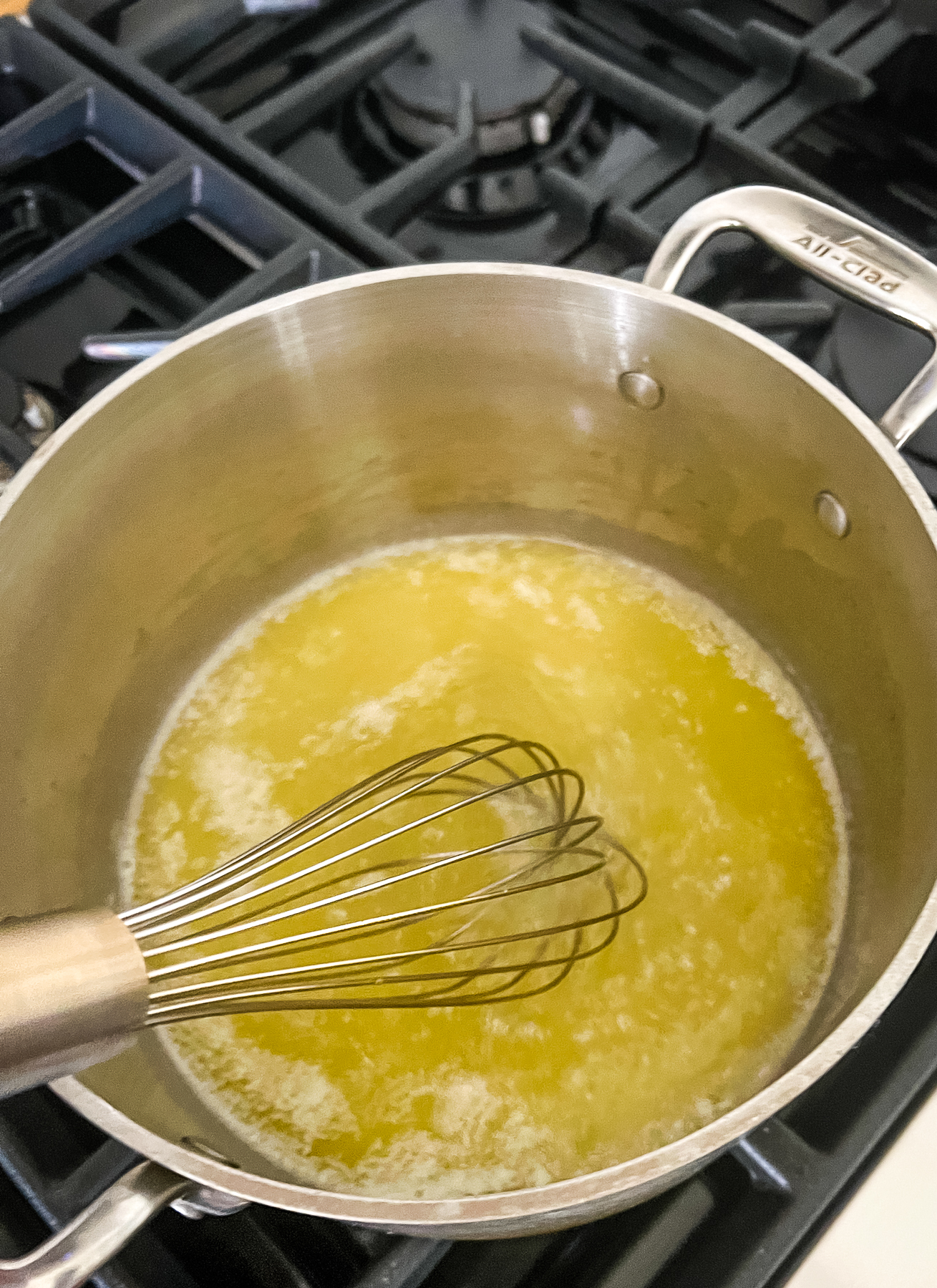
My parents, who owned a restaurant, pointed me toward stainless steel for its safety and longevity when I was first building my cookware collection. I use this saucepan almost daily — it’s a kitchen staple. If you have room in your budget, having this stockpot is nice, too.
Le Creuset Enameled Cast Iron Oval Dutch Oven
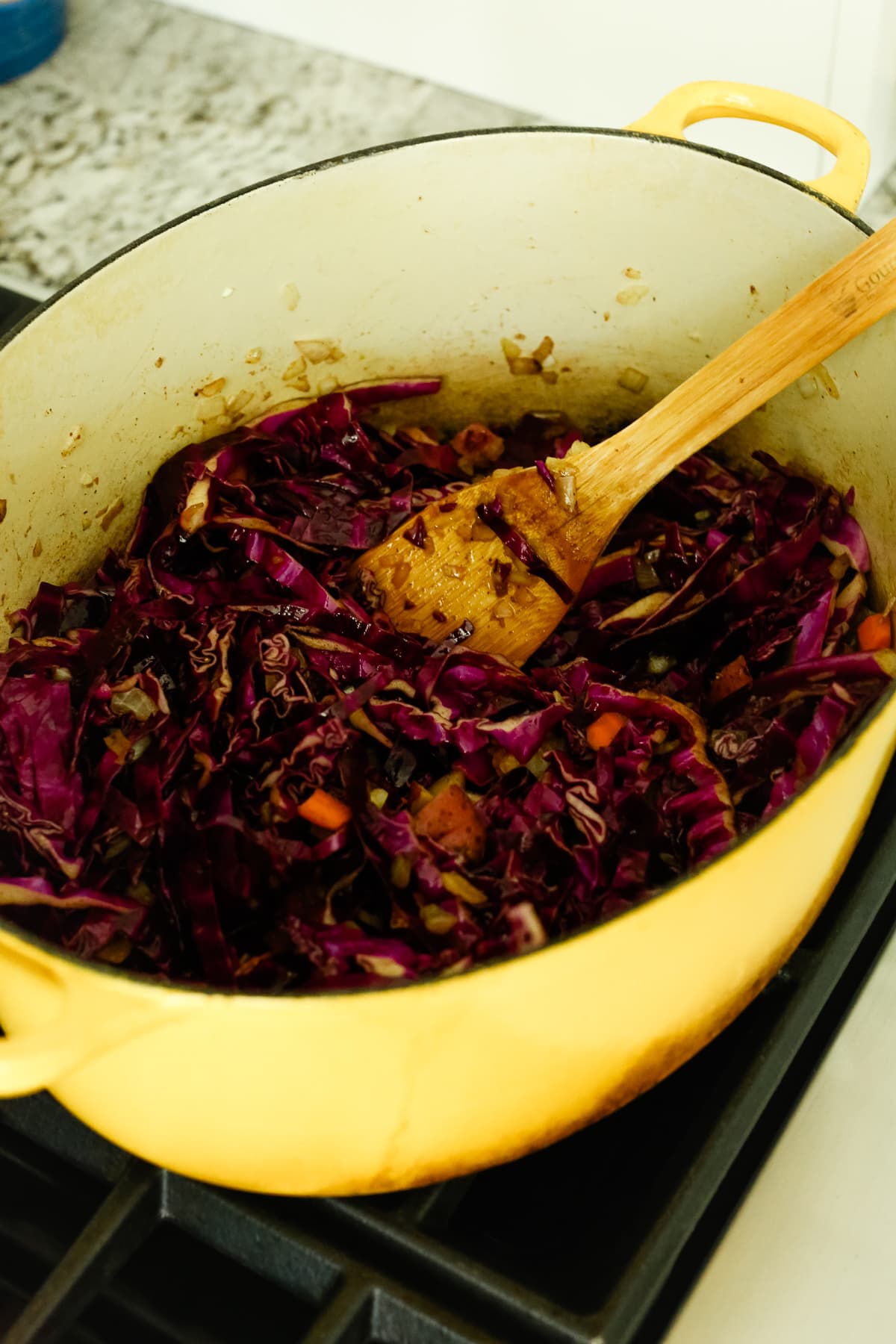
I use this constantly for soups, stews, one-pot dinners, beans, roasting whole chickens, risotto, and more. It’s heavy, but it’s an investment piece that will last a lifetime. You will pass your Dutch oven on to your children one day! And the yellow color makes me happy!
Taima Titanium Pan
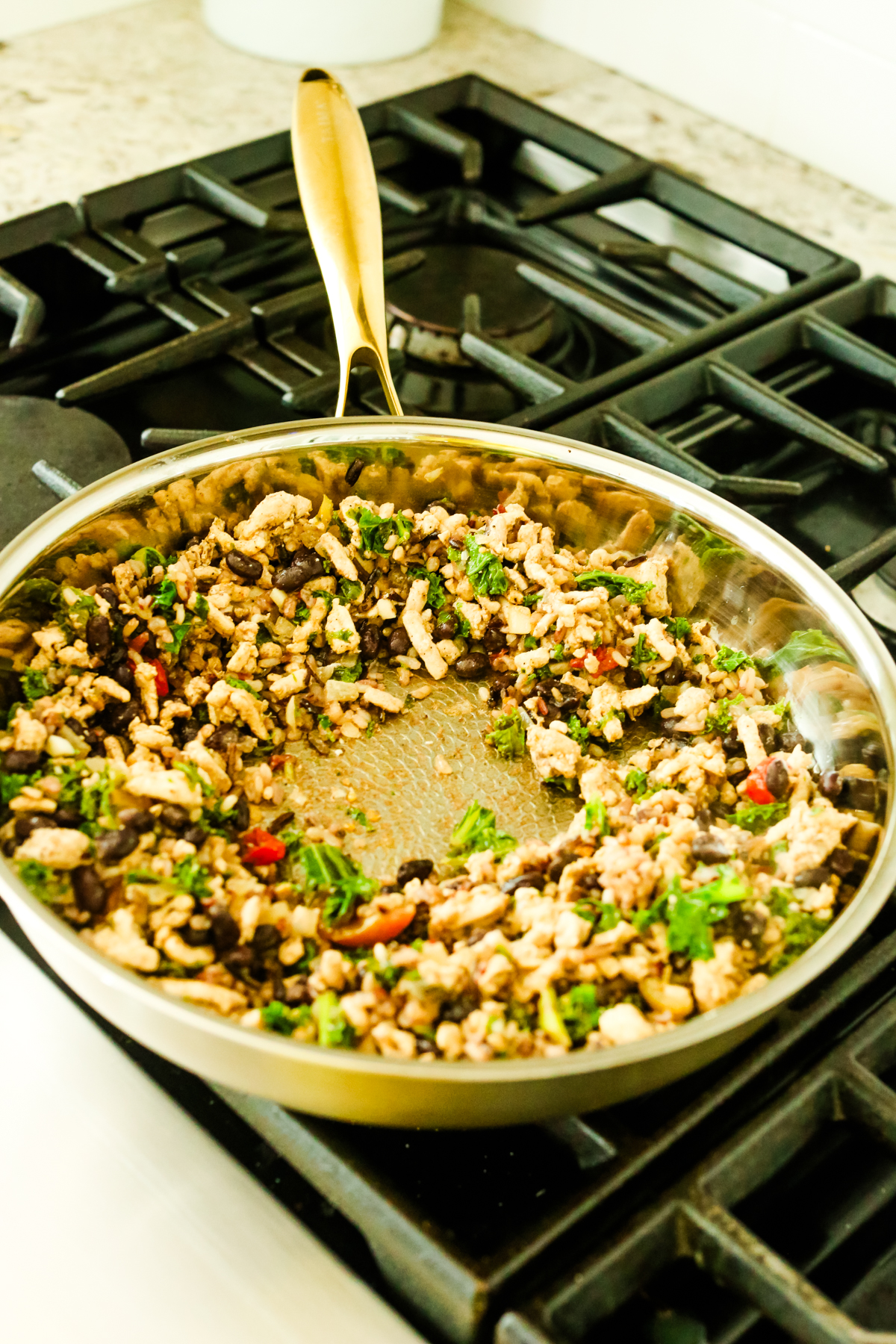
Because cast iron isn’t great for everything (it’s not the best for acidic foods or scrambled eggs, for example), I like having another nonstick pan alternative. This is a newer piece in my kitchen and another natural nonstick option worth knowing about. Like most (all?) titanium pans on the market, Taima pans aren’t solid titanium all the way through — they’re a bonded, multi-layer construction (aluminum core for heat distribution, stainless steel outer shell for strength) with a titanium cooking surface that’s textured to create natural food release without a synthetic coating.
Find Taima Titanium plans here and use code HEALTHY15 for an additional 15% discount!
Utensils & Tools
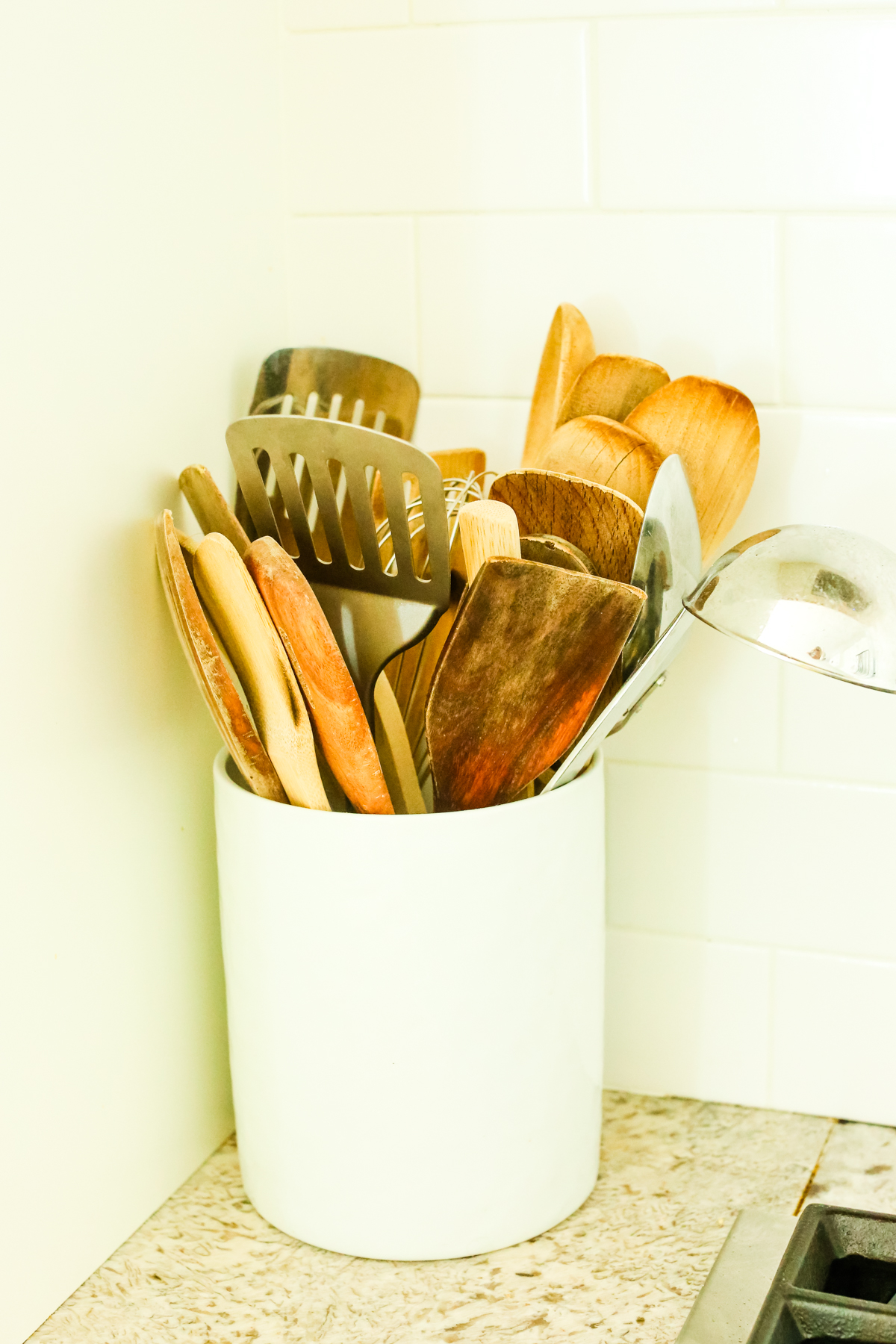
Nonstick coating isn’t limited to pans — it shows up on spatulas, tongs, ladles, and whisks too, and it degrades faster there because of repeated metal-on-metal contact. I’ve made the swaps and have a combination of the three types of utensils I’m sharing below.
Titanium Utensils
These are durable, very heat resistant, and naturally nonstick. Below I’m linking an excellent starter set to start your transition to a nontoxic kitchen!
Use code HEALTHY15 for an additional 15% discount!
Stainless Steel Utensils
These are durable and dishwasher safe. If you’re ready to toss all of your plastic utensils and start over, I recommend the Viking set you can get below from Wayfair or Amazon.
Stainless Steel Utensil set from Wayfair
Stainless Steel Utensil set from Amazon
Wooden Utensils
These are gentle on all cookware and naturally antimicrobial. I also find wooden utensils gorgeous. Check out the links below to add these to your nontoxic kitchen. Wooden utensils don’t last as long as the above options, especially if you don’t hand wash and dry them immediately after use. You can see in my photo above, some of mine are ready to be replaced!
Wooden Utensil set from Amazon
Wooden Utensil Set from Wayfair
Stainless Steel Mixing Bowls
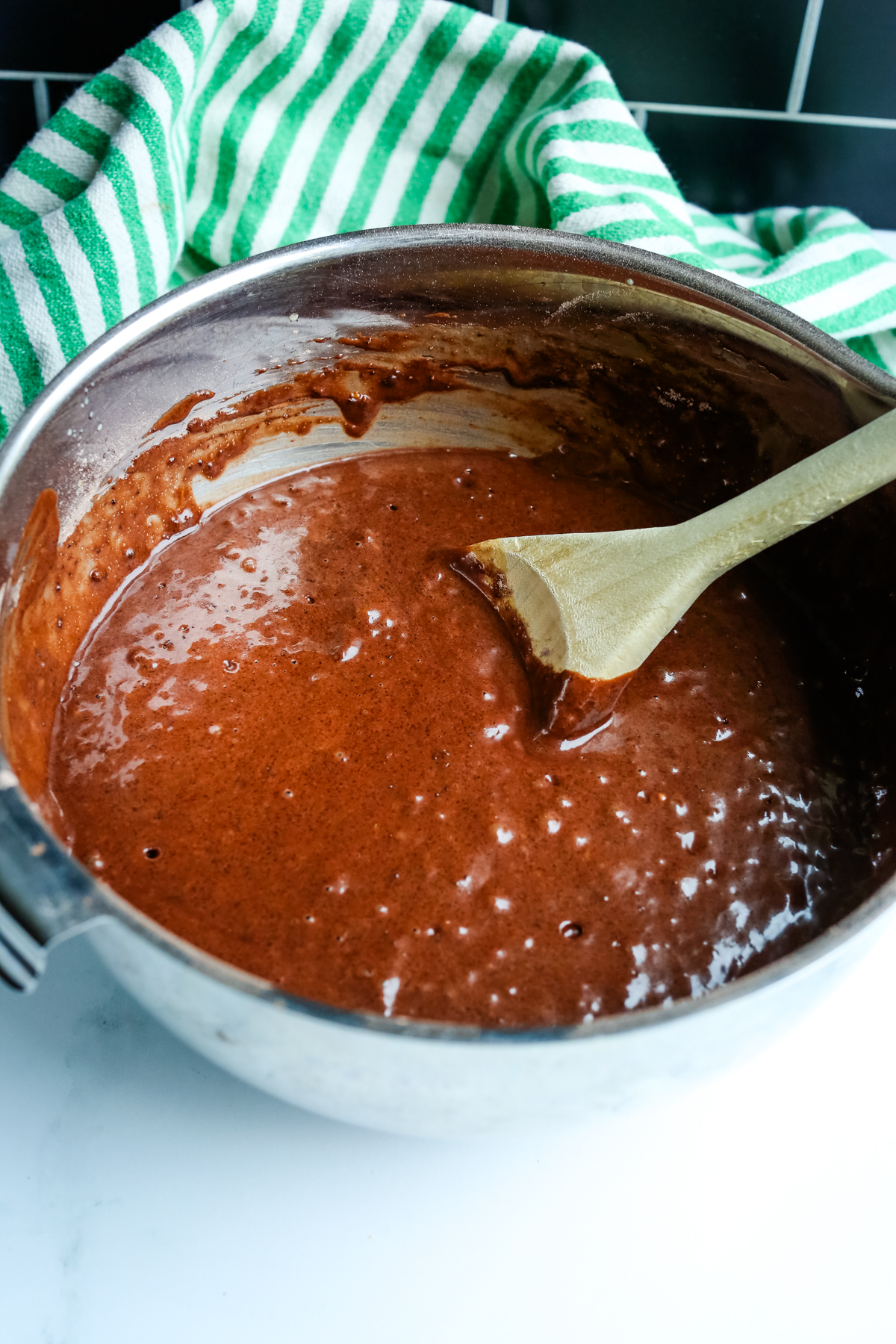
If you’re mixing your food in plastic bowls, step it up to a nice stainless steel set. I have had mine since I got married 20 years ago and they are in perfect shape. I don’t see my exact set available, but this one looks great.
Glass Mixing Bowls
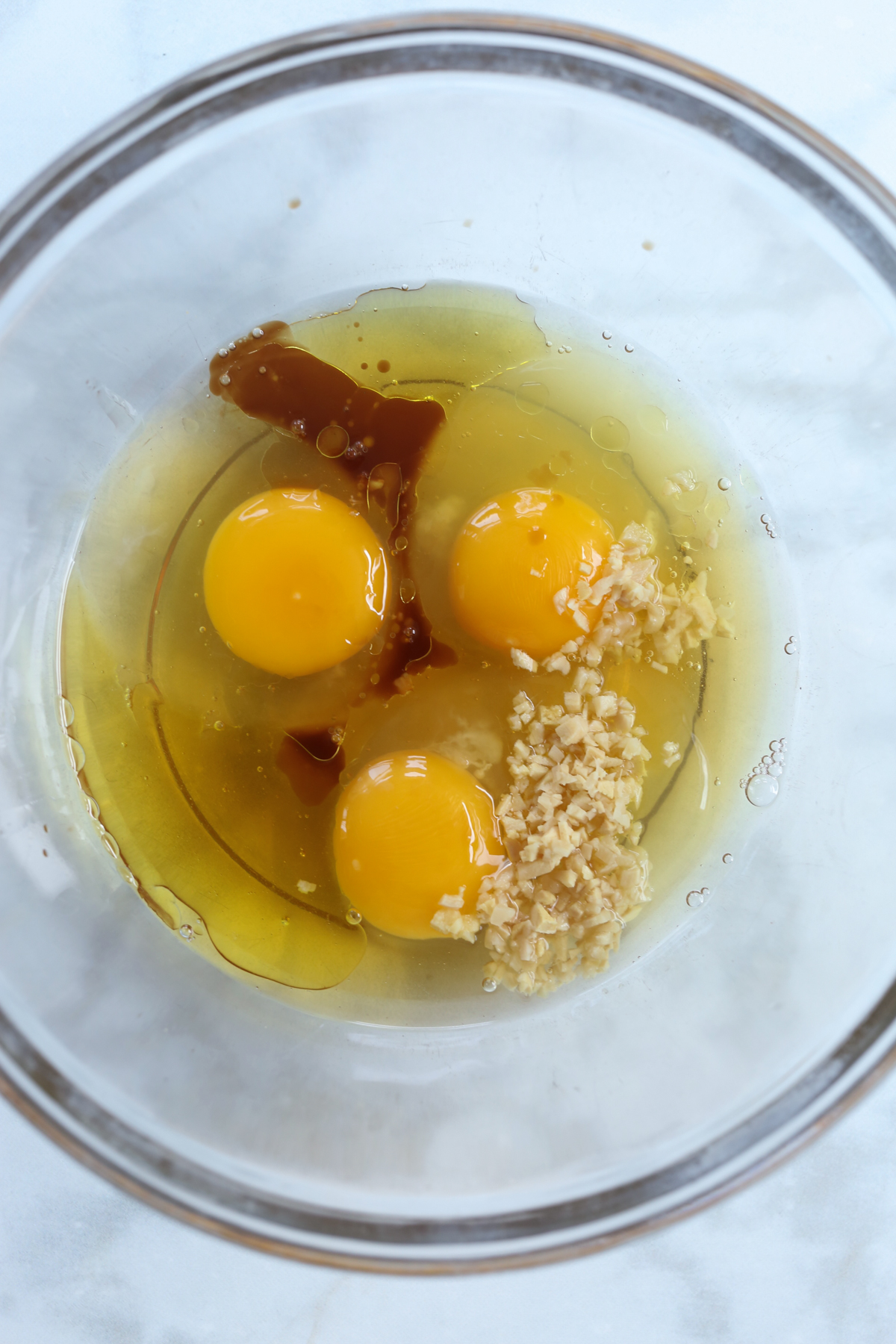
I think everyone needs both glass and stainless steel mixing bowls. A simple Pyrex glass mixing bowl set is perfect!
Nontoxic Bakeware Options
Emile Henry Baking Dishes
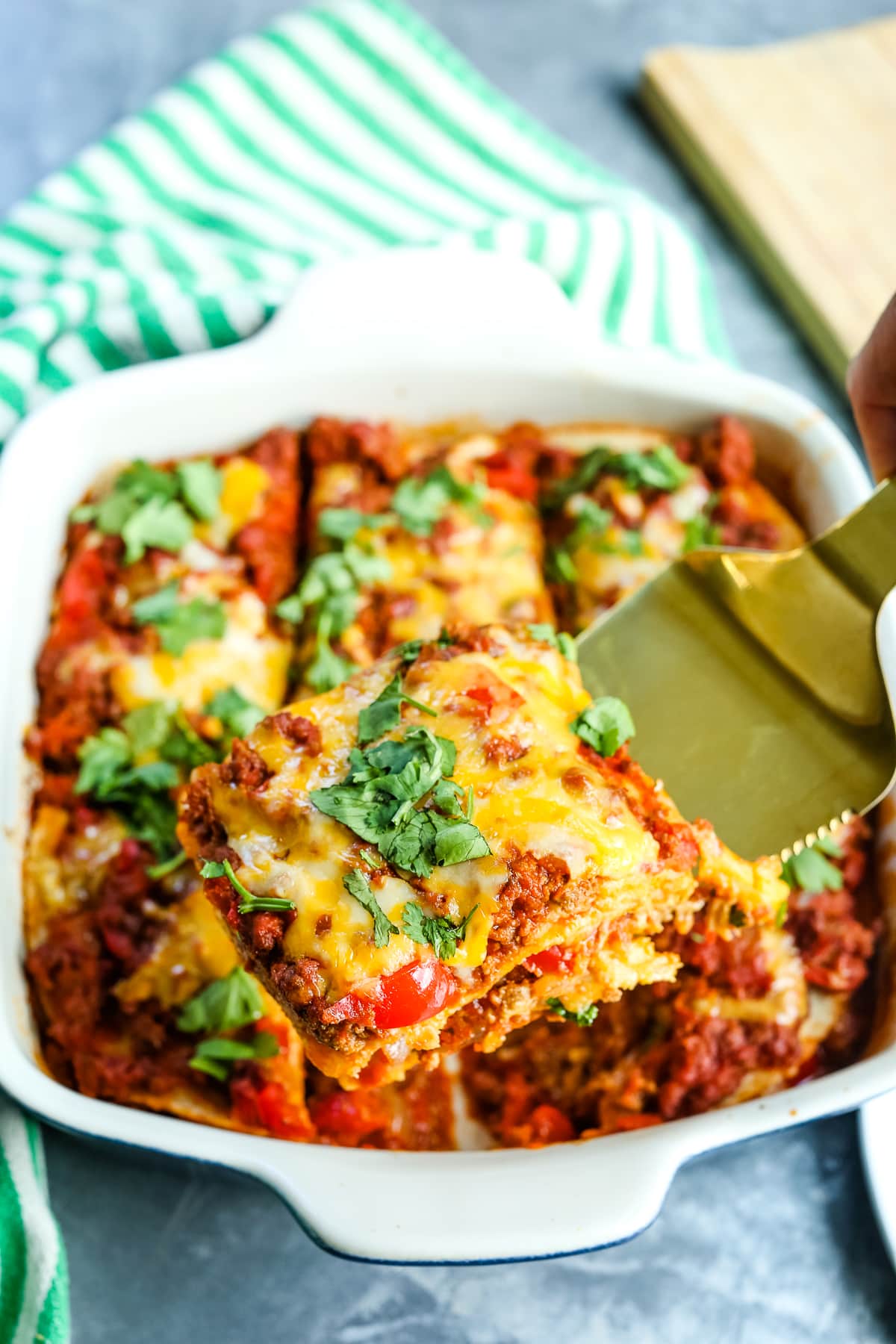
Emile Henry bakeware products are Crafted from all-natural mineral-rich clay in France. Finished with a proprietary, scratch-resistant glaze that meets strict European Union toxicity standards, meaning they are lead and cadmium free. There are no added nonstick coatings. I use the square baking dish shown above that I use for everything from casseroles to dessert bars. I also have a large rectangular baking dish that I love as well.
Pyrex Glass Baking Dishes

I also have a number of Pyrex glass baking dishes. Glass is safe, works well in the oven, and is inexpensive. I like this 3-Piece Glass Baking Set as a starter set. It’s a bonus that all 3 baking dishes come with fitted lids for leftover storage!
Stainless Steel Oven Sheet Pan with Wire Rack
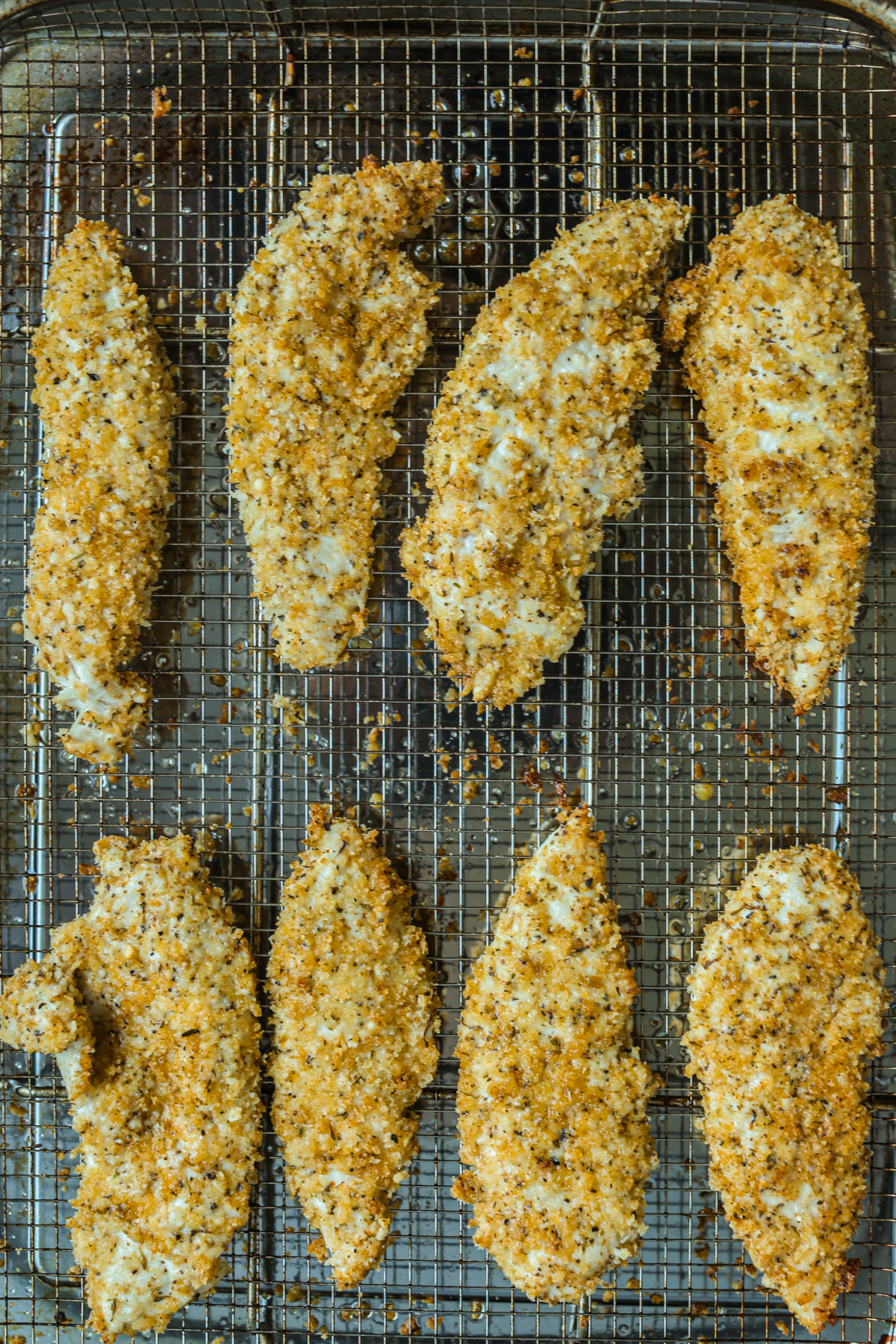
My new oven came with an air fryer function, so I got these stainless steel sheet pans with racks to use my oven as an air fryer.
Nontoxic Food Storage
Switching to glass food storage is one of the easiest changes you can make. Below is a list of the different options I use every week. 
Pyrex Simply Store Mixed Size Glass Food Storage Set I probably have the equivalent of 5 or more sets of this because I use them daily to store everything from leftovers to the fruit I wash and store to chopped vegetables I prepare early and store. 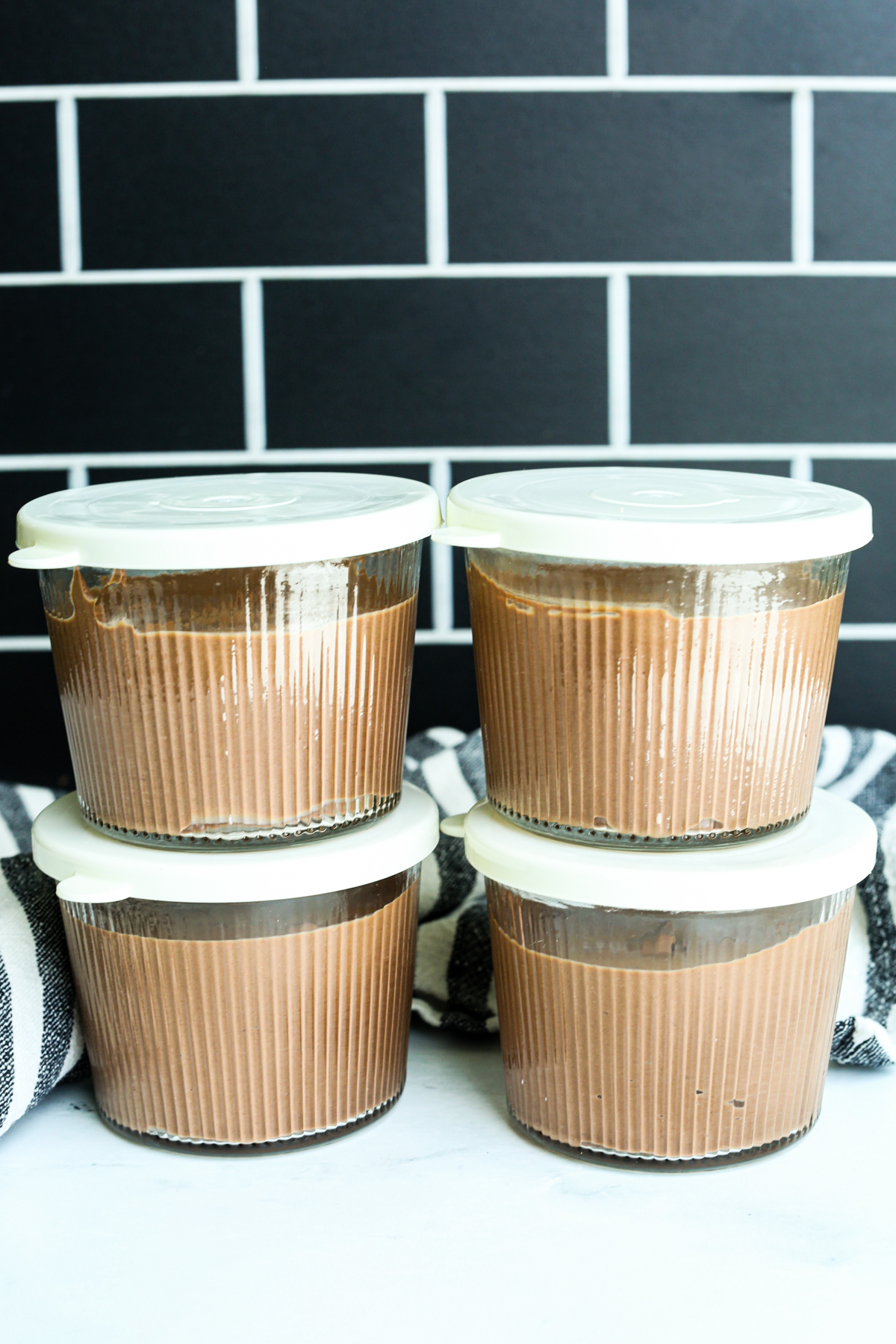
Small Glass Bowls with Lids These are pictured above and are perfect for small desserts like my Cottage Cheese Chocolate Mousse.
Glass Meal Prep Containers with Lids These are great for meal prep when you want more than one section to store your food.
Mason Jars I use mason jars to store many things like elderberry syrup, when I make my healthy stir fry sauce ahead of time, and more.
Nontoxic Small Appliances
There are a lot of small appliances with plastic, nonstick, and other undesirable surfaces. Here are my top picks for nontoxic options.
Instant Pot
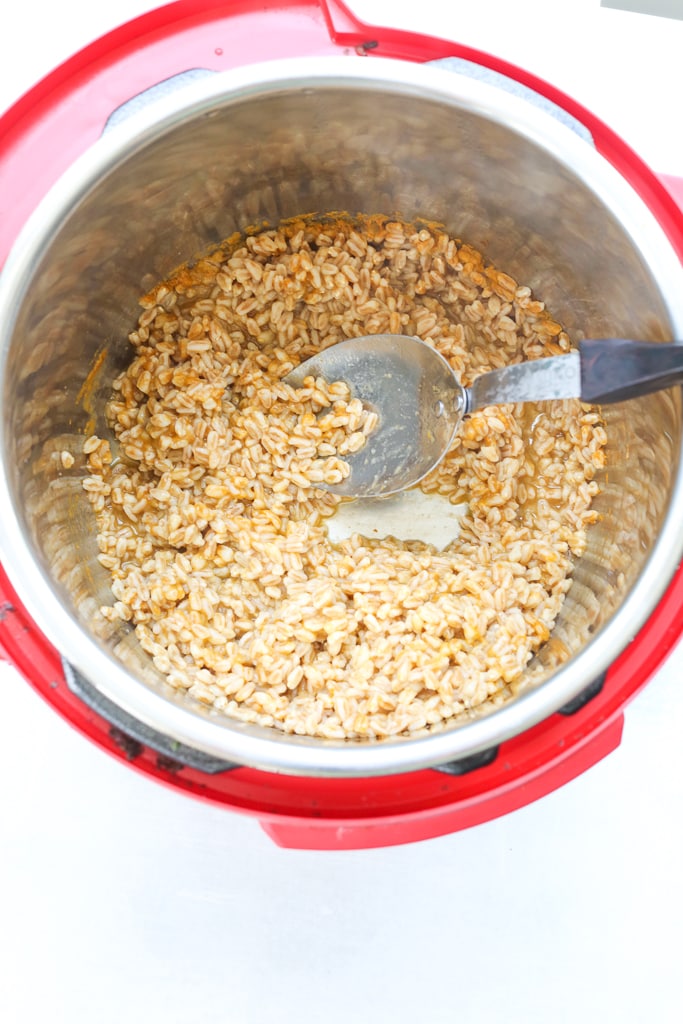
I wrote an entire cookbook featuring Instant Pot recipes, so yes, I use mine a lot. What’s great about the Instant Pot is that it has a stainless steel container and it can be used for pressure cooking, steaming, and slow cooking. When it comes to small appliances, this is a nontoxic kitchen essential.
Nontoxic Air Fryer
Because my oven has an air fryer option, I don’t need a separate air fryer. But before my oven I had an option that wasn’t the best. It stopped working after a year, and wasn’t made of all nontoxic materials. I wouldn’t’ recommend it. BUT…if I had to buy one today, this is the nontoxic air fryer I would buy.
Kitchenaid Stand Mixer

This Kitchenaid Stand Mixer is especially helpful if you bake a lot, but I use it for even more things, like shredding my chicken. With a 100% stainless steel bowl, you can feel good about knowing your food is touching a safe material.
On My Nontoxic Wishlist
I’m still building my nontoxic kitchen. The items I’m listing below are on my wishlist and I hope to add them to my kitchen someday, although they are all pricey.
All-Clad Stainless Steel Sheet Pan
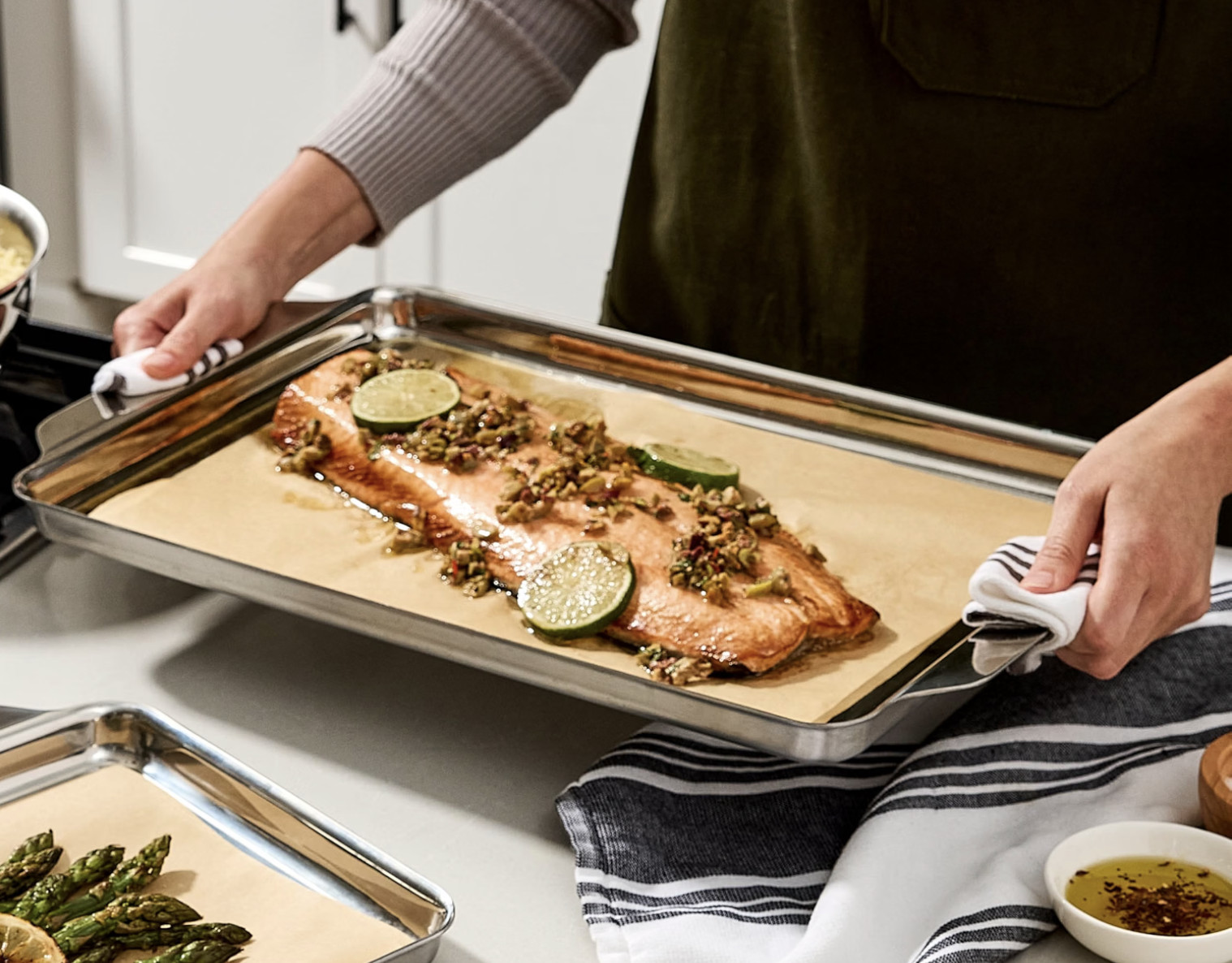
This All-Clad Stainless Steel Sheet Pan gives me the best of both worlds. It’s got an aluminum core, which is best for even heating, and is coated in 100% stainless steel. This makes it way more durable just stainless steel, but also gives better performance. It’s a lot for one sheet pan, but it might be worth the investment.
Plastic-Free Coffee Maker
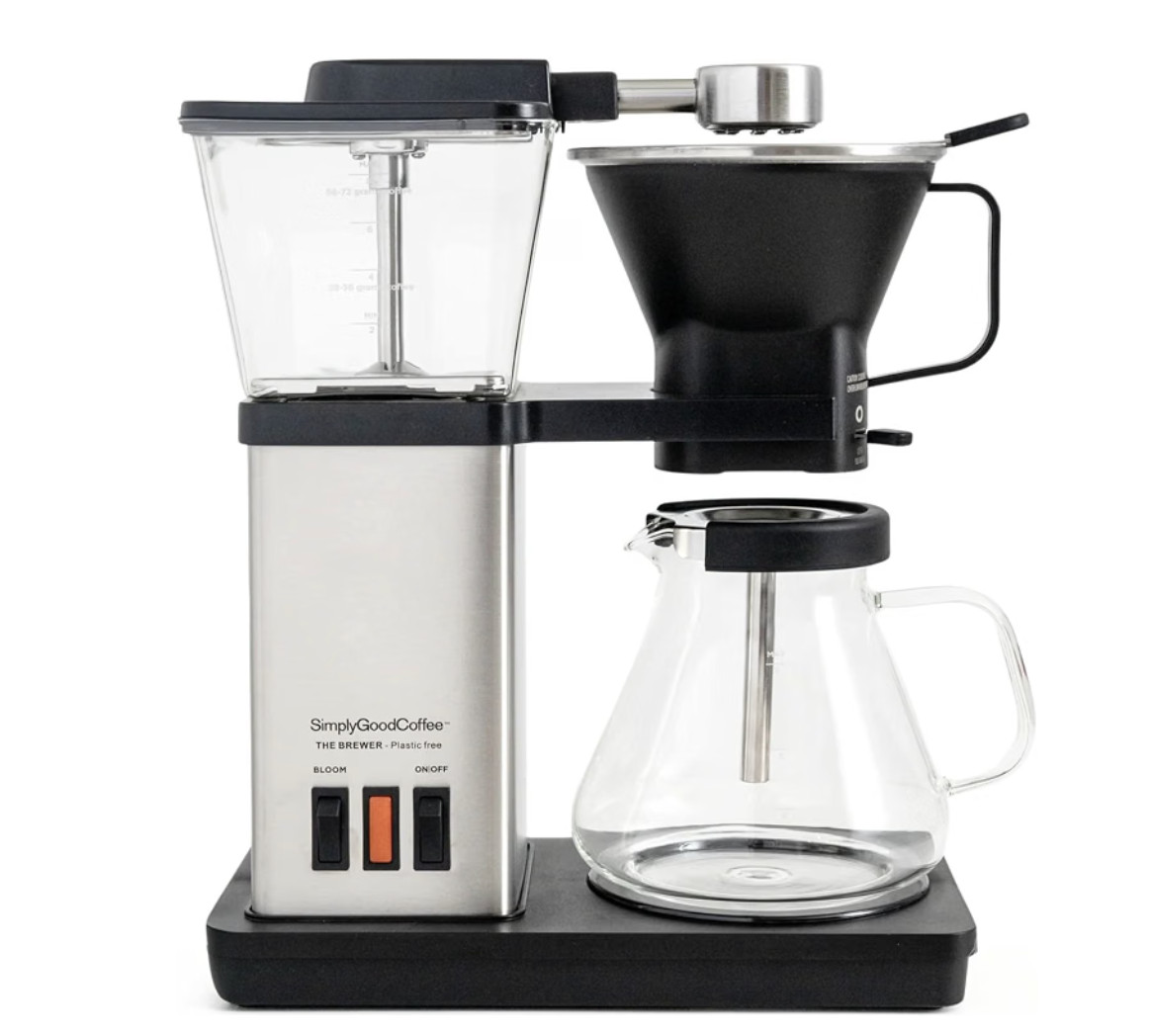
This coffee maker has been in my dreams for a couple of years now. My current coffee maker is probably my worst offender in my kitchen. Hot water heading through plastic and into my cup. 🤢 I hate thinking about it. The Brewer from SimplyGoodCoffee is an automatic coffee maker that allows your water to flow and never touch any plastic or aluminum! Unfortunately, it’s out of our price range right now at just under $500. I know there are cheaper options like a percolator or French press (which we do have but rarely use), but I really want an automatic maker!
Stainless Steel Slow Cooker
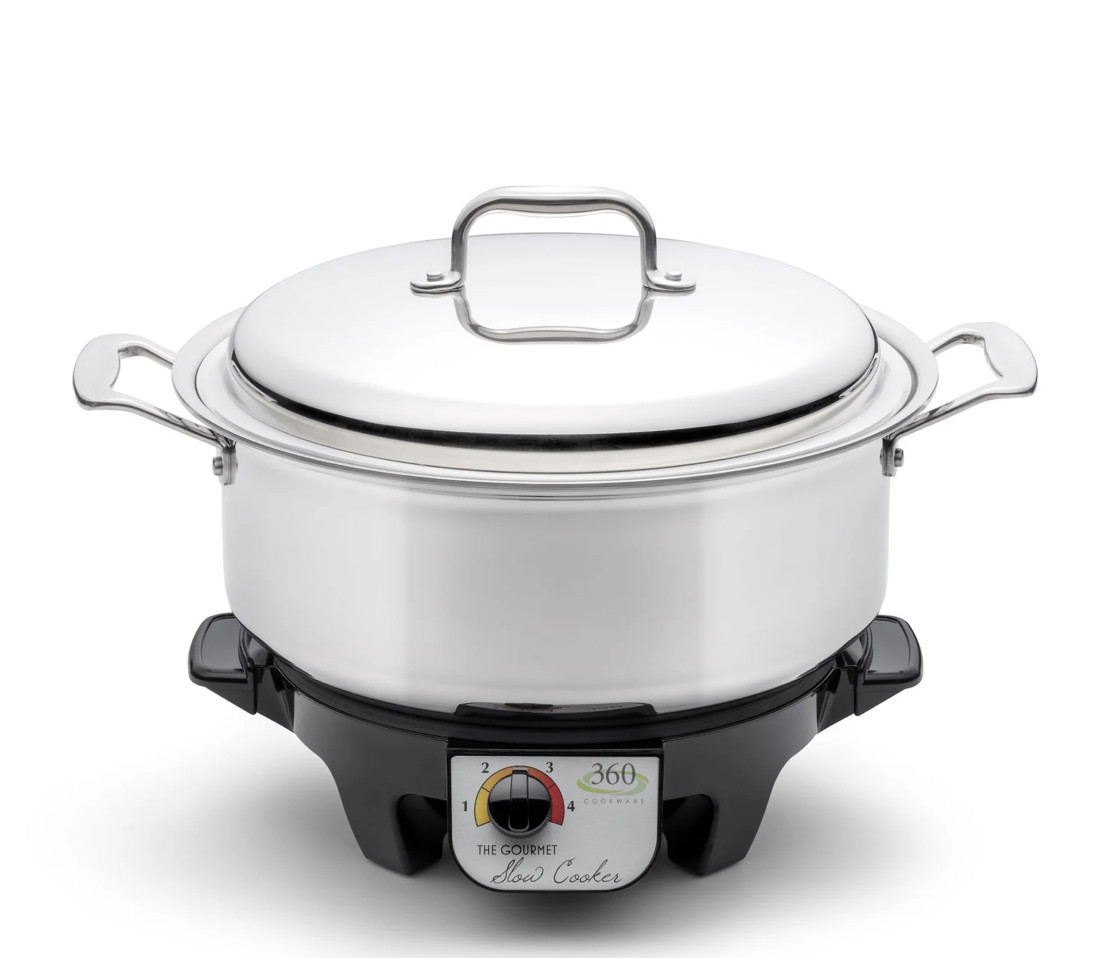
With my Instant Pot that has a stainless steel insert and operates as a slow cooker, this one isn’t a high priority for me, but something I’d love to have. I do still use my Crockpot that has a coating I’m not crazy about, only because I like the shape better for cooking some things. If I had an unlimited budget, I’d get this 360 Cookware Slow Cooker.
Final Thoughts
If there’s one thing I want you to take from this post, it’s that building a nontoxic kitchen doesn’t happen all at once — and it doesn’t need to. Start with whatever you’re replacing next anyway (a worn-out pan, a cracked food storage container) and choose a safer material when you do. That’s really all it takes.
That doesn’t mean you can’t have a complete overhaul or there’s anything wrong with doing it that way. Sometimes, mentally, that’s what you need. And if it’s in your budget, go for it! I know realistically this is a gradual process for most people, though, so know that’s totally okay.
What’s your next nontoxic kitchen swap going to be? Let me know in the comments — and come follow along on Instagram and Facebook for more nontoxic living tips!
Please note that links to products are affiliate links. Thank you for supporting Happy Healthy Mama!

I can’t get the taima titanium pan link to work. Is there another one that I can try?
I am fixing it now, but here’s the updated link! https://tidd.ly/4yHDmjI
I am really not convinced with the “non-toxic” cookware listed here. i used to think the same few years ago but then I did the alkaline baking soda test my metal and ceramic pots and pans, was surprised to find that all leached into food. I was shocked to know what I have been feeding my family. Iwent through this process with my friend and she discovered pure clay cookware. I did some more research and bought pure clay pots from MEC as they do not use any chemicals glazes for finishing. I can proudly say this was one of the best choices I made for my health. My family loves the way food cooked in these pots tastes.
Interesting. Thanks for sharing.
All those appliances are good, but there is too much waste from them. So I’d rather use one tool, but it will not create a recycling bin out of my kitchen.
Your article is beautifully written, informative, and the photography is knock out-top level.
I love my cast iron skillets!! I have them in 3 sizes. I just wish they weren’t so heavy so I can convince my mom to use them too.
This is a great article. Cookware safety is very important and it’s amazing to see people become more and more aware of this, because no matter how healthy, organic or clean one’s ingredients are, the meal will never be 100% healthy if it’s cooked in toxic-filled cookware. People often focus on the source and type of ingredients and neglect to check the safety of the cookware and containers they’re actually putting those ingredients in.
Thank you, Becca!
Maryea, I love this post and I too use stainless steel pots and pans (and the Instant Pot for slow cooking because it has a stainless steel insert, unlike most slow cookers). However, how about baking sheets/cake pans/muffin tins? Which of those do you use?
That’s a great question! I use glass or ceramic bakeware when possible. I do have some coated/aluminum baking pieces, so when I need to use them I use a barrier. With my muffin tins, for example, I use silicone baking cups. I will use parchment paper if I use my other baking pans for bars/brownies. It’s been a learning process and journey of slowing replacing those items I’ve had for years and didn’t realize what they were made of and the dangers. My baking sheets are commercial half sheets that my parents gave me when their restaurant closed, and those are stainless steel. I hope this helps! 🙂