

Most homes harbor silent health disruptors. This practical breakdown shows exactly what to replace, what to keep, and where toxins hide most. This is your essential guide when you’re ready to detox your home.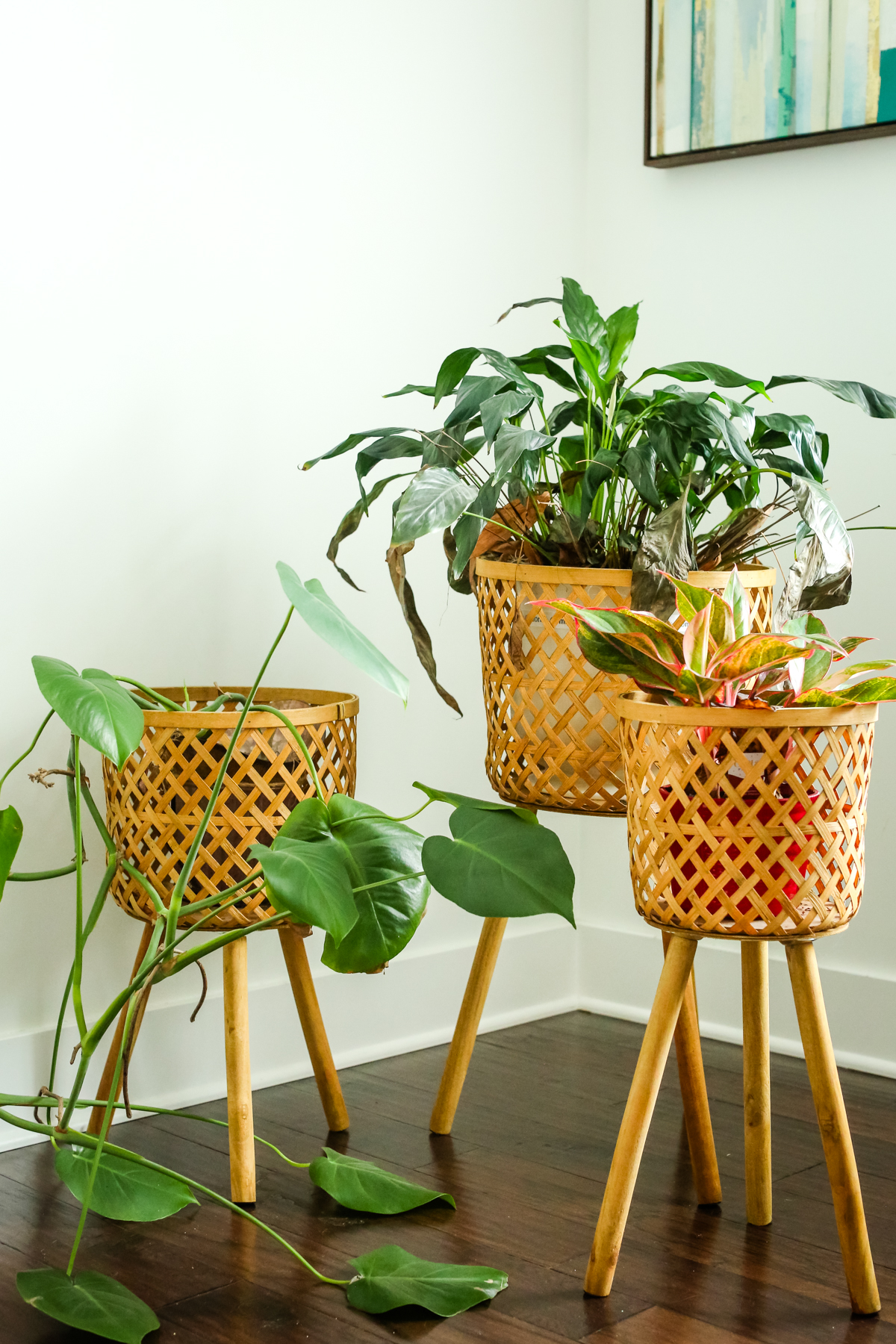
Your home should be your sanctuary, a safe haven, and a place where you can be your healthiest self. Many homes, however, are filled with harmful chemicals and your living environment can cause health problems just as much as your diet and lifestyle.
Between synthetic fragrances, flame retardants in furniture, and cleaning products loaded with undisclosed ingredients, the average home harbors hundreds of volatile organic compounds. These toxins accumulate in dust, absorb through skin, and circulate through the air you breathe for eight hours every night.
The good news is when you want to detox your home, it doesn’t require throwing everything out or spending thousands on replacements. It requires knowing where the biggest offenders hide and making strategic swaps that can truly make an impact on indoor air quality and chemical exposure.
Steps to Take to Detox Your Home
Here are 25 specific, science-backed changes that turn your home into a healthier environment. This list can act as a blueprint to help you on your journey to detox your home, but don’t feel overwhelmed or like you have to do everything at once. Take small steps, one item at a time, and before long you’ll create a non-toxic home that makes your home a safer place that won’t add to your health issues.
1. Toss Air Fresheners and Plug-ins Immediately
That “clean linen” scent is a chemical mask, not cleanliness.
Air fresheners, plug-ins, and aerosol sprays release phthalates, synthetic musks, and volatile organic compounds directly into your breathing zone. These chemicals disrupt hormones, trigger respiratory issues, and accumulate in household dust. The fragrance industry isn’t required to disclose ingredients, so “fragrance” on a label can mean any combination of thousands of untested chemicals.
What to do instead:
Open windows for 10 minutes daily to flush stale air and reduce VOC concentration.
Simmer cinnamon sticks, citrus peels, or vanilla extract on the stove for natural scent. Here’s an example of a simmer pot recipe I love.
Use essential oil diffusers sparingly with pure oils, not synthetic fragrance blends.
The real fix: If your home smells bad, find the source. Masking odors with chemicals creates a layered toxin problem, not a solution.
2. Switch to Fragrance-Free Laundry Detergent
Your clothes are a wearable chemical delivery system.
Conventional laundry detergents coat fabric fibers with fragrance chemicals that transfer to your skin throughout the day. Dryer sheets add another layer of synthetic fragrance plus quaternary ammonium compounds that can irritate skin and lungs.
You’re essentially wearing a slow-release toxin patch for 16 hours a day.
The swap:
Detergent: Choose fragrance-free, dye-free options like Molly’s Suds, Seventh Generation Free & Clear, or Branch Basics. I use Branch Basics and love it. Click here to try Branch Basics and use code HHM for 15% off.
Dryer sheets: Replace with wool dryer balls and add 2-3 drops of lavender essential oil if you want scent.
Fabric softener: Skip it entirely or use half a cup of white vinegar in the rinse cycle to soften without residue.
Your clothes will still be clean. They just won’t smell like a chemical factory designed it.
3. Replace Non-stick Cookware to Cast Iron or Stainless Steel
Nonstick pans release toxic fumes when heated.
Polytetrafluoroethylene coatings break down at high temperatures, releasing perfluorinated compounds into your kitchen air. These chemicals accumulate in your bloodstream, disrupt thyroid function, and have been linked to immune system suppression.
Even “PFOA-free” nonstick pans use alternative chemicals with similar structures and unknown long-term effects.
Better options:
Cast iron: Naturally nonstick when seasoned, lasts forever, and adds trace iron to food.
Stainless steel: Nonreactive, durable, and safe at any temperature when used with enough fat. It becomes nonstick when heated to the right temperature!
Carbon steel: Lighter than cast iron with similar nonstick properties once seasoned.
Titanium cookware: Titanium cookware from Our Place utilizes a revolutionary technology that creates a nonstick surface with no coating. I have this Titanium Frying Pan and love it.
The learning curve is minimal. Use more butter or oil, preheat properly, and stop scrubbing with metal on Teflon.
4. Stop Using Antibacterial Soap and Hand Sanitizer Daily
Antibacterial products create resistant bacteria and disrupt your microbiome.
Triclosan and triclocarban were banned in hand soaps in 2016, but benzalkonium chloride took their place with similar concerns. These chemicals kill good bacteria along with bad, reduce skin barrier function, and contribute to antibiotic resistance.
Regular soap and water remove 99% of germs through mechanical action without chemical disruption. Don’t buy the soaps with added fragrances, either, as synthetic fragrances are endocrine disruptors.
The truth about hand hygiene:
Soap breaks down the lipid envelope of bacteria and viruses. You don’t need antimicrobial agents unless you’re in a clinical setting.
Friction and time matter more than ingredients. Scrub for 20 seconds, focusing on fingernails and between fingers.
Hand sanitizer is a backup for when soap isn’t available, not a daily replacement.
Use plain soap. Your hands will be just as clean, and your skin microbiome will thank you.
5. Ditch Plastic Containers for Glass Food Storage
Plastic leaches hormone disruptors into your food.
Bisphenols and phthalates migrate from plastic into anything fatty, acidic, or heated. Even BPA-free plastics use substitute chemicals like BPS and BPF that show similar endocrine-disrupting effects in studies. Microwaving plastic accelerates this migration by orders of magnitude.
The glass advantage:
Borosilicate glass: Heat-resistant, won’t absorb odors, and lasts decades without degrading.
Mason jars: Cheap, versatile, and perfect for storing leftovers, soups, and dry goods.
Stainless steel: Ideal for packed lunches and foods you don’t need to see through.
Start by replacing the containers you microwave most often, then gradually swap the rest as plastic wears out. The same principles apply to plastic water bottles and plastic cups. It’s a good idea to swap those out, too, while you’re getting rid of plastic in your kitchen.
6. Filter Your Drinking Water at the Tap
Municipal water meets legal limits, not health optimization standards.That’s an important distinction to make. Tap water can contain chlorine byproducts, heavy metals, pharmaceutical residues, and agricultural runoff that pass through treatment plants. Legal limits are set based on feasibility and cost, not the latest research on low-dose chronic exposure. Plastic bottled water trades one problem for another by adding microplastics and leached chemicals.
Filter options by budget:
Pitcher filters: Remove chlorine and some heavy metals but require frequent replacement and work slowly. Look for a glass water pitcher rather than plastic.
Faucet-mounted filters: More effective than pitchers, filter on demand, and last longer between changes.
Under-sink reverse osmosis: Removes the widest range of contaminants including fluoride, arsenic, and nitrates. Be aware that you may need to add some minerals back into your water if you use this method.
Test your water first at mytapwater.org to see your area’s water quality and what you’re filtering for, then choose a system certified to remove those specific contaminants. The water you drink everyday is a big part of your life and filtering it is worth it when you are taking steps to detox your home.
7. Open Windows Daily, Even In Winter
Indoor air is often more polluted than outdoor air. Modern homes are sealed tight for energy efficiency, which traps VOCs from furniture, cleaning products, building materials, and other harmful substances from in comment household items. Without ventilation, these chemicals accumulate to concentrations far higher than outdoor pollution in most areas. The EPA estimates indoor air can be 2-5 times more polluted than outdoor air.
The ventilation strategy:
Open windows on opposite sides of your home for 10 minutes to create cross-ventilation.
Do this in the morning when outdoor pollution is typically lowest.
In winter, crack windows during or after cooking to remove combustion byproducts.
Use bathroom and kitchen exhaust fans vented to the outside, not recirculating models.
Fresh air dilutes indoor pollution faster than any air purifier can filter it.
8. Replace Vinyl Shower Curtains with Fabric or Hemp
That new shower curtain smell is off-gassing VOCs. Vinyl shower curtains and liners release phthalates and VOCs when exposed to heat and humidity. You’re essentially hotboxing yourself with plastic fumes every time you take a warm shower. Yikes! Studies have detected over 100 VOCs released from vinyl shower curtains, with concentrations peaking in the first month.
Shower barriers with natural fibers or safer materials:
Organic cotton: Machine washable, naturally mold-resistant when dried properly, and lasts years.
Hemp fabric: Highly mold-resistant, gets softer with washing, and dries quickly.
Nylon: Budget-friendly synthetic that doesn’t off-gas like PVC and dries faster than cotton.
Hang it fully extended after each shower and wash monthly to prevent mold buildup.
9. Vacuum with a HEPA Filter Twice Weekly
Dust is a toxin reservoir that recirculates through your home.Household dust collects flame retardants from furniture, pesticides tracked in from outside, phthalates from vinyl flooring, and heavy metals from old paint. Regular vacuums blow fine particles back into the air through their exhaust. HEPA filters trap 99.97% of particles 0.3 microns or larger, preventing redistribution.
I know vacuuming frequently can seem like a pain, but you’re getting some movement in your day, too, so that’s an extra health bonus!
Vacuuming best practices:
Use a vacuum with a sealed HEPA system, not just a HEPA filter in a leaky machine.
Vacuum high-traffic areas and bedrooms twice weekly, the rest once weekly.
Empty canisters outside and wash filters monthly to maintain suction.
Vacuum before wet cleaning to prevent turning dust into a paste that embeds in flooring.
Smart Move: Take shoes off at the door to reduce the amount of outdoor contamination you’re vacuuming in the first place!
10. Stop Using Nonstick Bakeware and Muffin Tins
Nonstick coatings on bakeware release the same toxins as nonstick pans. At oven temperatures between 350-450 degrees, PTFE coatings break down and off-gas fluorinated compounds. Muffin tins, cookie sheets, and cake pans with nonstick surfaces all carry the same risks as frying pans. The solution is even simpler because baked goods naturally release with proper greasing. If you can’t replace the baking pans and muffin tins you already own, there’s a low-cost solution for you, too.
Nontoxic baking alternatives:
Uncoated aluminum: Heats evenly, lasts forever, and releases easily when greased with butter or oil.
Stainless steel: Doesn’t react with acidic ingredients and cleans up easily.
Ceramic-coated: Naturally nonstick without fluoropolymers, though coatings can chip over time.
Parchment paper: Line any pan for true nonstick performance without changing equipment. You can use paper liners for your muffins, too.
Grease your pans properly and nothing sticks. You don’t need a chemical coating to bake a muffin.
11. Switch to a Toxin-free Mattress or Use a Barrier Cover
You spend a third of your life breathing in mattress off-gassing. Conventional mattresses contain flame retardants, formaldehyde-based adhesives, and VOCs from polyurethane foam. These chemicals off-gas for months or years, with highest exposure happening while you sleep and your face is inches from the source. Mattresses manufactured before 2007 likely contain PBDEs, a particularly harmful flame retardant now phased out but still present in older beds.
If you can’t replace your mattress yet:
Use an organic cotton or wool mattress encasement to create a barrier between you and off-gassing.
Air out new mattresses in a garage or well-ventilated room for 72 hours before sleeping on them.
Use a HEPA air purifier in your bedroom to reduce airborne VOCs.
When buying new: Look for GOTS-certified organic cotton, GOLS-certified latex, or wool mattresses that meet fire standards naturally without chemical treatments.
12. Replace Plastic Cutting Boards with Wood
The bad news: plastic cutting boards shed microplastics into your food.Every knife cut creates microscopic plastic particles that end up in whatever you’re chopping. Studies show a single polyethylene cutting board can release millions of microplastic particles during regular use. Wood, however, is naturally antimicrobial and doesn’t shed particles when cut.
Why wood wins:
Hardwoods like maple and walnut have tight grain that resists bacteria absorption and knife scarring.
Natural antimicrobial properties in wood kill bacteria within minutes of contact.
Self-healing surface closes knife cuts naturally, unlike plastic grooves that harbor bacteria.
Care is simple. Wash with hot soapy water, dry immediately, and oil monthly with food-grade mineral oil to prevent cracking.
13. Remove Carpets and/or Choose Natural Fiber Rugs
Wall-to-wall carpet is a chemical-treated dust trap. Synthetic carpets are made from petroleum-based fibers treated with stain repellents, flame retardants, and antimicrobial chemicals. The backing uses formaldehyde-based adhesives, and installation involves more chemical glues. Carpets trap and accumulate more dust, allergens, and toxins than any other flooring surface.
This is one of the most difficult to control as changing all your flooring can be expensive. Remember to vacuum often if you can’t change your flooring!
Better flooring options:
Hardwood or bamboo: Easy to clean, doesn’t harbor allergens, and lasts for decades.
Natural linoleum: Made from linseed oil and wood flour, naturally antimicrobial, and biodegradable.
Ceramic or porcelain tile: Completely inert, easy to clean, and impossible to stain.
If you need rugs: Choose wool, cotton, jute, or sisal without stain-resistant treatments. Shake them outside weekly or vacuum often and wash or professionally clean twice yearly is recommended.
14. Clean with Vinegar, Baking Soda, Castile Soap, and/or Natural Products
Many household cleaners are chemical soups with undisclosed ingredients.”Proprietary formulas” and “fragrance” hide hundreds of potential irritants, hormone disruptors, and respiratory sensitizers. You don’t need 15 specialized cleaners when three ingredients clean 90% of household surfaces. The cleaning industry has convinced you that every surface needs a different chemical when the same basic chemistry works everywhere.
I personally use “The Concentrate” from Branch Basics, which I dilute with water and use for nearly everything. (Remember you can use code HHM for 15% off if you’d like to try it)
The three-ingredient cleaning arsenal:
White vinegar: Cuts grease, dissolves mineral deposits, and kills most bacteria. Use on glass, counters, and floors (not stone).
Baking soda: Gentle abrasive for scrubbing sinks, tubs, and ovens without scratching.
Castile soap: Plant-based surfactant for dishes, floors, and general cleaning. Dilute 1:10 with water.
Bonus: Add hydrogen peroxide for disinfecting or tea tree oil for mold prevention.
Mix them fresh each time. Pre-made “natural” cleaners in plastic bottles defeat the purpose.
15. Use Houseplants Strategically for Air Purification
Plants remove VOCs from indoor air through natural biological processes. NASA’s Clean Air Study found that certain houseplants absorb formaldehyde, benzene, and trichloroethylene through their leaves and roots. Microbes in the soil also break down airborne toxins.
You need more than one plant to make an impact, but the effect is measurable.
Most effective air-purifying plants:
- Snake plant: Removes formaldehyde and benzene, tolerates low light, and requires minimal watering.
- Pothos: Absorbs VOCs quickly, grows in water or soil, and thrives on neglect.
- Spider plant: Removes carbon monoxide and xylene, safe for pets, and produces offshoots for propagation.
- Peace lily: Filters formaldehyde, benzene, and ammonia, but toxic to pets if ingested.
Aim for one plant per 100 square feet of living space. More plants mean better filtration. My house would be totally filled with plants if my husband would get on board with it! We compromise and I have a number of plants, but am always looking to add more.
16. Reduce EMF Exposure
Electromagnetic fields are invisible areas of energy (radiation) that are produced by things like power lines, appliances, and wireless devices. Some studies suggest that long-term exposure can cause health issues. While evidence isn’t conclusive, it is a good idea to take steps to reduce the exposure as our modern world has more than ever and we may not know the long-term effects for years.
Steps you can take to reduce EMF exposure:
- Turn your phone to airplane mode in the evening and keep it away from your sleeping area.
- Turn off your Wi-Fi in the evening when sleeping.
- Keep routers out of bedrooms and main living spaces.
- Replace Wi-Fi dependent alarm clocks with battery operated ones.
- Keep distance with your devices (don’t have your laptop on your lap for long periods of time, your phone in your pocket, etc.
- Consider using EMF blockers to shield you and reduce exposure.
17. Switch to Natural Fiber Bedding and Towels
Synthetic bedding traps heat and off-gasses chemicals against your skin. Polyester sheets and blankets are made from plastic fibers treated with flame retardants and dyes. They don’t breathe, creating a humid microclimate that promotes dust mites and mold growth. Basically, you’re sleeping wrapped in plastic for eight hours a night. There are better options and thankfully, in recent years natural bedding has become more affordable and readily available.
Natural fiber upgrades:
- Organic cotton: Breathable, moisture-wicking, and gets softer with washing. Look for GOTS certification.
- Linen: Highly breathable, naturally antimicrobial, and regulates temperature better than cotton.
- Wool blankets: Temperature-regulating, naturally flame-resistant, and lasts decades.
- Hemp: Three times stronger than cotton, naturally mold-resistant, and softens over time.
Start with pillowcases since your face is in direct contact for hours. Replace the rest as your current bedding wears out.
18. Remove Scented Candles and Switch to Beeswax
Paraffin candles release the same chemicals as diesel exhaust. Petroleum-based paraffin wax produces toluene and benzene when burned. Add synthetic fragrance oils and you’re creating indoor air pollution equivalent to standing next to an idling car. “Soy” candles often contain only 51% soy blended with paraffin, and most use synthetic fragrances despite natural marketing.
Clean-burning candle options:
- 100% beeswax: Burns clean, naturally honey-scented, and purifies air by releasing negative ions. I have a lovely beeswax candle from Branch Basics. Get yours for 15% off using code HHM.
- Coconut wax: Sustainable, burns slowly, and holds essential oil scent without synthetics.
- Soy (100% only): Renewable and clean-burning, but verify it’s not blended with paraffin.
Check the wick, as well. Cotton or wood wicks are safe. Metal-core wicks can contain lead.
19. Stop Using Dryer Sheets Completely
Dryer sheets coat fabric with quaternary ammonium compounds (QACs). These fabric softeners and anti-static chemicals transfer to your skin, vent into outdoor air, and accumulate in dryer lint that becomes hazardous waste. They’re designed to leave residue, which is exactly the problem. Dryer sheets are also a leading cause of skin irritation in people with sensitivities and can aggravate respiratory issues.
Soften clothes without chemicals:
- Wool dryer balls: Mechanical action separates fabric and reduces static. Add essential oils for scent.
- White vinegar in rinse cycle: Softens fabric by removing detergent residue without adding fragrance.
- Dry similar fabrics together: Reduces static from friction between different materials.
- Line dry when possible: Sunlight naturally softens and disinfects fabric without any products.
Your clothes don’t need a chemical coating to be soft.
20. Filter Your Shower Water to Remove Chlorine
Hot showers vaporize chlorine and chloramine into breathable gas. Chlorine in shower water becomes airborne when heated, exposing you to higher concentrations through inhalation than you’d get from drinking it. It also strips skin and hair of natural oils, disrupting your protective barrier. You absorb and inhale more chlorine in a 10-minute hot shower than drinking eight glasses of tap water.
Shower filter benefits:
- Removes chlorine and chloramine that dry out skin and hair.
- Reduces VOCs and THMs that vaporize in hot water.
- Prevents respiratory irritation from chlorine gas in the shower.
We were lucky in that I knew about this when we were building our house 13 years ago, so we were able to put in a whole house water filtration system. There are options to add a filter right at the shower head if a whole house system isn’t an option for you.
Budget option: Vitamin C filters neutralize chlorine for under $30 but require frequent replacement.
Long-term option: Multi-stage filters with KDF media last longer and remove more contaminants.
Install in five minutes without tools. The difference in hair and skin texture is noticeable within days and this is an easy step to detox your home.
21. Replace Teflon-coated Kitchen Tools
Nonstick coating isn’t limited to pans. Spatulas, tongs, ladles, and whisks often have nonstick coatings that chip into food or off-gas when they touch hot surfaces. The coating degrades faster on utensils because of repeated metal-on-metal contact and high-heat exposure. These tools cost the same in nontoxic materials and nontoxic materials work well.
Swap to:
- Stainless steel: Durable, dishwasher-safe, and never degrade. Here’s a whole set of stainless steel utensils if you’d like to invest in making a full swap.
- Wooden: Gentle on all cookware and naturally antimicrobial. Here’s a wooden set for you.
- Silicone-tipped tools: Heat-resistant to 600 degrees if you need flexibility, but avoid cheap versions.
Check your kitchen drawers. If it’s black nonstick coating on metal, replace it.
22. Avoid Artificial Fragrances in Personal Care Products
“Fragrance” on a label means undisclosed chemical mixtures. The fragrance loophole allows manufacturers to hide thousands of ingredients under one word. These mixtures often contain phthalates, synthetic musks, and allergens that are not only put into the air when used, but also absorb through skin and accumulate in tissue. Personal care products applied to skin have higher absorption rates than inhaled chemicals.
Fragrance-free swaps:
- Shampoo and conditioner: Look for “fragrance-free” not “unscented,” which can contain masking fragrances.
- Lotion and moisturizers: Choose products scented only with essential oils or completely fragrance-free.
- Deodorant: Aluminum-free options with minimal natural scent or fragrance-free versions.
- Soaps: Castile soap or saponified oils without added fragrance.
Check labels for “parfum” or “fragrance” and put it back on the shelf. Try my recipe for Body Spray with Essential Oils as a natural perfume.
23. Remove Flame Retardant Furniture or Cover It
Flame retardants in furniture don’t prevent fires but do disrupt hormones. Polyurethane foam furniture manufactured before 2014 likely contains PBDEs or other organohalogen flame retardants. These chemicals migrate out of foam into household dust and air, then into your body through inhalation and ingestion. Studies show flame retardants in furniture provide no meaningful fire safety benefit in residential settings.
If replacement isn’t possible:
- Cover sofas and chairs with organic cotton slipcovers to reduce direct contact and dust exposure.
- Vacuum upholstery weekly with a HEPA filter to remove contaminated dust.
- Use a HEPA air purifier to reduce airborne particles.
When buying new furniture: Look for products labeled “flame retardant-free” or made with natural materials like solid wood, wool, and organic cotton that meet flammability standards without chemicals.
24. Replace Vinyl Flooring With Natural Materials
Vinyl flooring off-gasses phthalates for years after installation. Polyvinyl chloride flooring releases plasticizers and VOCs that accumulate in household dust and air. Children playing on vinyl floors have direct skin contact with phthalates during critical developmental windows. “Luxury vinyl plank” is still plastic flooring with the same chemical concerns.
Healthier flooring choices:
- Solid hardwood: Lasts decades, can be refinished multiple times, and contains no synthetic chemicals.
- Natural linoleum: Made from linseed oil, cork, and wood flour. Not the same as vinyl sheet flooring.
- Ceramic or porcelain tile: Completely inert and ideal for moisture-prone areas.
- Cork or bamboo: Renewable, naturally antimicrobial, and comfortable underfoot.
This is a big step in helping you detox your home. If you can’t replace vinyl immediately, keep it clean and well-sealed to reduce dust accumulation.
25. Install a Whole-house Air Purifier or Use Room Units
Air purifiers reduce the toxic load your body processes daily. Even after removing sources, residual off-gassing and outdoor pollution require active filtration. HEPA filters capture particulates while activated carbon removes VOCs and odors. Air purifiers don’t fix the problem but reduce exposure while you make other changes.
Purifier strategy by budget:
- Single room: Place a HEPA unit in the bedroom where you spend 8 hours breathing recycled air.
- Multi-room: Run units in bedrooms and main living areas, focusing on high-occupancy spaces.
- Whole house: Install HEPA filtration in your HVAC system for continuous air cleaning.
Key specs to prioritize:
- CADR rating appropriate for room size.
- True HEPA filter (not “HEPA-type”).
- Activated carbon filter for VOC removal.
- Low noise level for bedroom use.
Germ Guardian is a good brand that meets these requirements without totally breaking the bank.
Run purifiers continuously on low rather than high for short periods. Consistent filtration beats intermittent blasting. Clean air is such an essential part when you want to detox your home.
Your home is your longest environmental exposure. What you’re exposed to in your home environments are what you’re exposed to the most in your lifetime. These 25 changes reduce your daily toxic load more than any detox tea or supplement ever will. Start with the swaps that affect you most often, breathing and sleeping, then work through the rest at your own pace. I am still working on this list–my house isn’t perfectly toxin-free, but I’m working on it and awareness is the first step! Leave any questions or insights you have in the comments below; let’s keep the conversation going!
Please note that links to products are affiliate links. This helps support my blog and I thank you for purchasing through my links.






Detoxifying our homes is essential for a healthier living space. One aspect often overlooked is the cleanliness of our trash bins. I’ve used Professional Trash Bin Cleaning Services, and it’s been a game-changer. These services ensure bins are sanitized and odor-free, contributing significantly to a toxin-free home environment. It’s a simple yet effective step in home detoxification.
Thanks for your post and detailed advice. I used to often ask for help from different specialists. For example, the thumbtack project is good for finding anyone. You can read the thumbtack reviews to see who they are and how they can help you improve your home.
Get rid of your regular name brand tampons! They literally inject chemicals straight into your body and you may not realise they are causing your horrible cramps and heavy or irregular periods. Use organic non-toxic tampons and reusable cloth/charcoal pads. My periods used to be an unpredictable painful nightmare but using natural chemical-free period products has changed that completely!
Maryea, Thanks for help!
Maryea, Thanks for the instruction to action. I’ll try)
Recycling the air is so important! I always open all windows of the house! Thanks a lot for your useful list, Maryea!
You’re welcome!
Thanks for these great List!!
Great list! I’ve been trying to find an organic bedspread or comforter for my 4 year-old’s new twin bed. The sheets and a blanket were no problem. Since he will have the top sheet on him, should I not worry so much about getting an organic bedspread?
The sheets and mattress pad were my biggest priority. I didn’t worry about the comforter as much–they were harder to find for me. I think if you can find a reasonably priced organic one, that’s the best option, but definitely not as big of a concern.